


Chat for Best Price
Unlock exclusive offers & much more
Gold jewellery is available in so many choices, 14K, 18K, 22K, 24K, but how would you decide which one should you pick? Buying the right gold jewellery does not have to be this overwhelming. In this blog, let us understand in simple terms and break down each type of gold, discuss their pros and cons, and help you decide which karat is the perfect fit for your style, budget, and needs. Whether it's for a wedding, festival, or everyday wear, let's find the right gold for you.
In gold jewellery, gold karats measure the purity of gold in jewellery, and here, the higher the karat, the more gold it contains. Here are the different karats available.
Each type has its own advantages and uses in jewellery, and you can choose the karat according to your style, preferences, and budget.
14K Gold Jewellery is a popular choice for those who want durability and affordability. It contains 58.3% gold, mixed with other metals like silver, copper, and zinc. This blend makes 14K gold stronger than higher karat golds, suitable for everyday wear. It's less expensive than 18K or 22K gold, making it a budget-friendly option. However, it may not have the same shine as higher karat golds. It's commonly used in Western-style jewellery and is a good choice for those who want a practical yet stylish piece. It's available in white, yellow, and rose gold varieties.
18K Gold Jewellery is a popular choice for its balance of purity and strength. It contains 75% gold, mixed with other metals like silver and copper. This blend gives 18K gold a beautiful shine and durability, making it suitable for both everyday wear and special occasions. It's more expensive than 14K gold but less than 22K or 24K. Available in white, yellow, and rose gold, 18K is a versatile option for those who want a luxurious look without the high cost of pure gold. It's widely used in fine jewellery worldwide.
22K Gold Jewellery is highly valued for its high gold content, containing 91.6% gold. It's often used in traditional Indian jewellery due to its durability and shine. The remaining 8.4% is typically silver or other metals, which add strength without compromising its luxurious feel. 22K gold is ideal for intricate designs and is commonly used in bangles, necklaces, and earrings. It's more expensive than 18K gold but offers a richer look and feel. However, it can be softer than lower karat golds, making it less suitable for daily wear in harsh conditions.
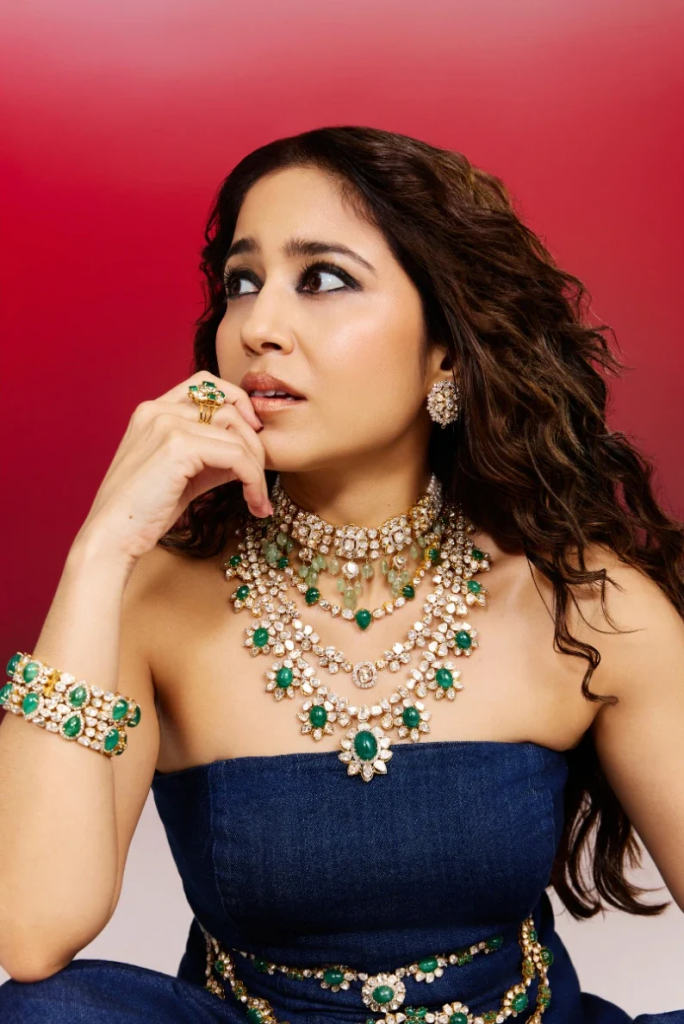
24K Gold Jewellery is pure gold, containing 99.9% gold content. It's the most valuable and luxurious form of gold, often used for coins, bars, and special items. Due to its high purity, 24K gold is soft and not suitable for everyday wear as it can easily bend or scratch. It's also more expensive than other karat types. However, its pure gold content makes it highly valued for investment purposes and as a symbol of wealth. It's often used in traditional or ceremonial pieces where durability isn't a concern.
| Feature | 14K Gold | 18K Gold | 22K Gold | 24K Gold |
| Gold Purity | 58.3% pure gold | 75% pure gold | 91.6% pure gold | 99.9% pure gold |
| Composition | Mixed with higher alloy content | Balanced mix of gold and alloys | Minimal alloy mix | Pure gold with almost no alloys |
| Colour Appearance | Subtle yellow tone | Rich yellow tone | Deep luxurious yellow | Bright intense yellow |
| Durability | Highly durable | Durable but softer than 14K | Softer and more delicate | Very soft and easily bendable |
| Best For | Everyday jewellery | Fine jewellery & luxury wear | Traditional & bridal jewellery | Investment & coins |
| Shine & Richness | Moderate shine | Elegant rich finish | Traditional royal finish | Bright natural shine |
| Skin Sensitivity | Less likely to bend or wear | Generally skin-friendly | Suitable for sensitive skin | Purest form for skin sensitivity |
| Flexibility for Craftsmanship | Excellent for modern shapes | Good for detailed designs | Ideal for traditional craftsmanship | Too soft for intricate durability |
| Common Hallmark | 585 Hallmark | 750 Hallmark | 916 Hallmark | 999 Hallmark |
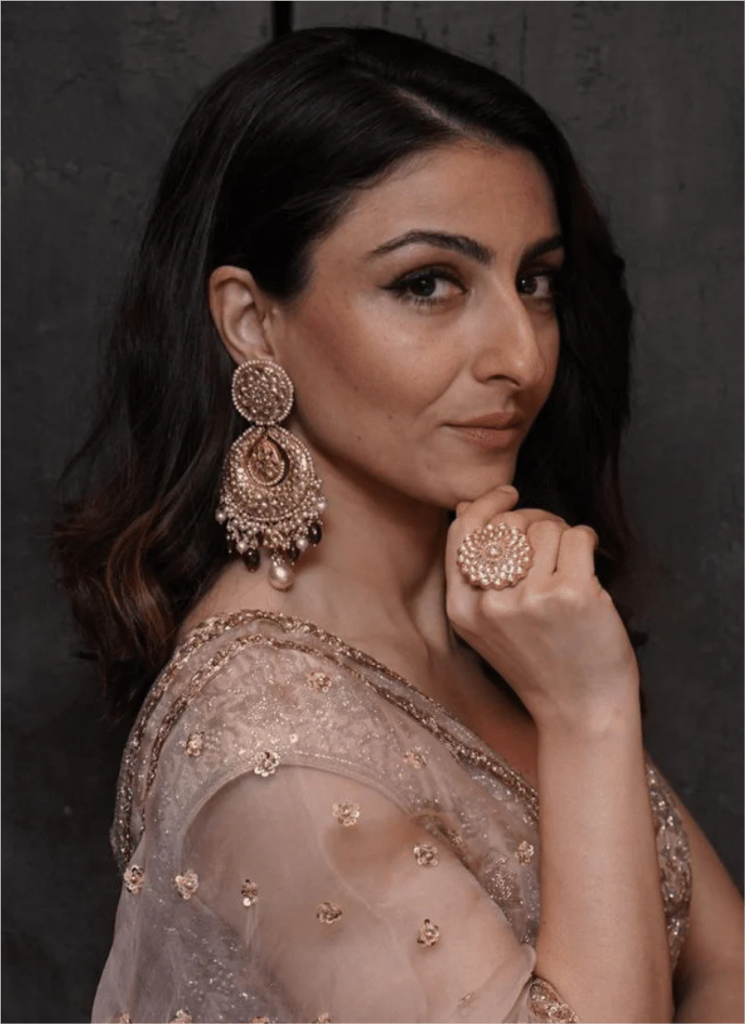
All types of gold are good, but 22K gold is often the best choice for jewellery. It offers a high gold content of 91.6%, which gives it a luxurious look and feel. Additionally, 22K gold is durable enough for everyday wear, making it suitable for intricate designs and traditional pieces. Its balance of purity and strength makes it ideal for Indian jewellery, where it's commonly used. Overall, 22K gold provides a great combination of beauty, durability, and cultural significance, making it a popular choice for many jewellery buyers.
Tyaani's gold jewellery collection is renowned for its stunning 22K gold pieces, featuring intricate designs and styles. Our Polki and Jadau jewellery, adorned with natural diamonds, showcases exceptional craftsmanship. Each piece is handcrafted by skilled artisans, blending traditional techniques with modern flair. Tyaani's collection includes beautiful necklaces, chokers, and earrings, perfect for both special occasions and everyday wear. The use of 22K gold ensures durability and a luxurious look, making Tyaani's jewellery a timeless treasure. Every piece is certified for authenticity, ensuring you're investing in genuine craftsmanship and quality.
The primary difference lies in the purity of gold present in each type. 14K gold contains 58.3% pure gold, 18K contains 75% pure gold, 22K contains 91.6% pure gold, and 24K gold is almost completely pure at 99.9%.
The best gold purity depends on the type of jewellery and how often it will be worn. 14K gold is highly durable for everyday wear, 18K offers a balance of luxury and strength, while 22K gold is preferred for traditional and bridal jewellery because of its rich appearance and cultural value.
24K gold is generally not ideal for regular jewellery because it is extremely soft and bends easily. It is more commonly used for investment purposes such as gold bars and coins rather than intricate wearable jewellery.
14K gold is considered the most durable among the four because it contains a higher percentage of alloy metals, making it more resistant to scratches, bending, and everyday wear.
Yes, higher karat gold typically has a deeper and more vibrant yellow tone because it contains a greater percentage of pure gold. 22K and 24K gold appear richer and warmer compared to 14K gold.
18K gold is often considered ideal for engagement rings because it balances elegance, purity, and durability. It offers a luxurious appearance while remaining strong enough for regular wear.
24K gold generally has the highest intrinsic gold value because of its purity. However, 22K jewellery is also highly valued in many markets due to its strong gold content and cultural demand.
No, 18K gold is generally more durable than 22K gold because it contains a higher percentage of alloy metals. 22K gold is softer due to its higher purity level.
22K gold is traditionally considered the best choice for Indian bridal jewellery because of its rich colour, luxurious feel, and suitability for intricate handcrafted designs.
Hallmarks indicate the purity of gold in jewellery. Common hallmarks include 585 for 14K gold, 750 for 18K gold, 916 for 22K gold, and 999 for 24K gold.
18K gold offers a richer colour and higher gold purity, while 14K gold provides greater durability and affordability. The better option depends on personal preference and intended usage.
tyaanijewellery


