


Chat for Best Price
Unlock exclusive offers & much more
Gold - the word itself evokes emotion, elegance, and eternity. But when you’re choosing your next timeless piece, one question always shines brightest: Should you go for 18K or 22K gold jewellery?
Both are beautiful, both are luxurious - yet each has its own story, purpose, and charm. The right choice depends on you - your lifestyle, your aesthetic, and what kind of legacy you want your jewellery to carry.
At Tyaani, we bring gold to life through Polki and Jadau masterpieces - designed to celebrate both purity and practicality. Let’s explore the differences between 18K and 22K gold, and help you find the one that matches your story.
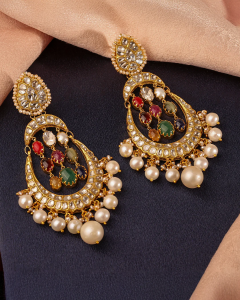
22K gold (91.6% pure) is the gold of tradition - rich, warm, and deeply Indian. It’s the metal that has witnessed generations of weddings, rituals, and heirlooms passed down through families.
Because of its high purity, 22K gold has a natural radiance and deep yellow tone that instantly connects to our heritage. It’s softer and more malleable, making it ideal for intricate Jadau, Polki, and Meenakari work - the kind of craftsmanship Tyaani is known for.
When you wear 22K gold, you don’t just wear jewellery - you wear a piece of legacy.
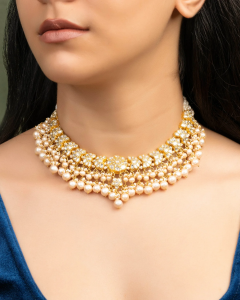
18K gold (75% pure gold mixed with 25% alloy metals like silver, copper, or palladium) offers a modern take on luxury. Its blend gives it strength, making it more durable for daily wear and resistant to scratches or bending.
Its lighter, softer tone makes it the favourite for contemporary designs, delicate detailing, and fusion jewellery - especially in Polki-diamond settings where durability and precision are key.
In 18K gold, Tyaani’s Polki creations find balance - old-world beauty meets everyday elegance.
| Feature | 22K Gold | 18K Gold |
| Purity | 91.6% pure gold (22 parts gold, 2 parts alloy) | 75% pure gold (18 parts gold, 6 parts alloy) |
| Colour | Deep, rich yellow tone | Slightly paler, elegant yellow hue |
| Durability | Softer, more prone to scratches or bending | Stronger, ideal for daily wear |
| Use in Jewellery | Perfect for Jadau, Polki, and traditional pieces | Best for diamond, Polki-diamond, and fusion jewellery |
| Weight & Texture | Heavier, softer texture | Slightly lighter, firm structure |
| Maintenance | Requires careful storage and handling | Easy to maintain and polish |
| Affordability | More expensive due to higher purity | More affordable and versatile |
| Ideal For | Bridal, festive, and heritage jewellery | Modern, everyday, and lightweight collections |
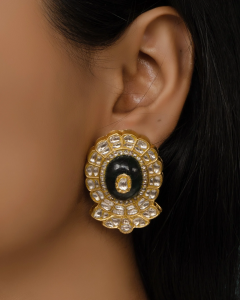
If you love tradition and grandeur:
22K gold is your best match. Its royal tone and authenticity enhance traditional outfits and Polki artistry - perfect for brides, collectors, and those who treasure heirlooms.
If you prefer minimal, versatile luxury:
18K gold is the perfect pick. It’s durable, elegant, and ideal for jewellery you can wear every day - from dainty diamond studs to statement rings.
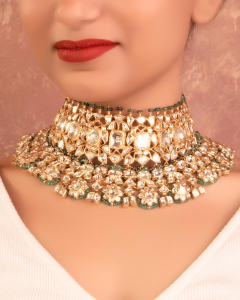
When it comes to Polki and Jadau, gold purity isn’t just about value - it’s about craftsmanship.
Traditional Jadau jewellery is created in 22K gold because the high gold content allows artisans to mold intricate designs by hand. Its softness enables detailed setting for uncut Polki diamonds and enamelling work.
However, 18K gold plays a vital role in Polki-diamond fusion pieces, offering structure, strength, and precision for modern wear.
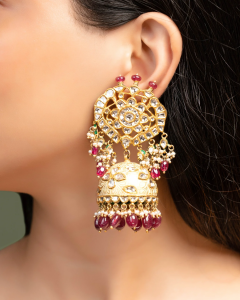
22K Gold: Radiates a rich yellow hue - perfect for those who love classic, regal tones that complement Indian complexions and traditional attire.
18K Gold: Has a subtle, muted shine - ideal for modern tastes and pastel outfits, allowing gemstones and Polki to stand out beautifully.
If you lean towards vibrant tradition, 22K will capture your heart.
If you adore modern minimalism, 18K will suit your soul.
Gold isn’t just measured in karats; it’s measured in emotion, heritage, and how it makes you feel. Whether you choose the pure brilliance of 22K or the modern resilience of 18K, your jewellery should reflect your essence.
At Tyaani, we don’t believe in choosing between heritage and innovation - we bring them together. Each Polki, each gemstone, and each setting is thoughtfully crafted to ensure your gold, no matter its karat, becomes your forever glow.
“Karat” (K) indicates the purity of gold. The higher the karat, the purer the gold. For example, 24K is 100% pure gold, 22K is 91.6%, and 18K is 75%.
22K gold contains more pure gold and has a richer colour, while 18K has more alloy, making it stronger and more suitable for modern designs or daily wear.
18K is better for daily wear because it’s more durable and less prone to scratches or bending compared to 22K.
22K gold is softer, allowing artisans to handcraft intricate Polki and Jadau designs. It’s also the preferred choice for traditional bridal and festive pieces.
Yes. 22K has a deep, warm yellow tone, while 18K has a slightly lighter, refined hue - both equally elegant but distinct in appearance.
22K gold is more valuable due to its higher gold content and purity. However, 18K offers better durability and affordability.
Yes. The alloy metals in 18K gold increase its hardness, making it stronger and ideal for jewellery that’s worn often.
Because 22K’s malleability allows artisans to embed Polki diamonds securely while creating intricate detailing, giving Polki jewellery its signature handcrafted beauty.
Yes, since 18K gold contains less pure gold, it’s generally more affordable while maintaining a luxurious appearance.
Mixing karats is common - you can layer 18K and 22K pieces for contrast and depth. At Tyaani, our designs complement beautifully across purities.
While it can be worn daily, it’s softer and may get scratched with regular use. It’s best reserved for special occasions or heirloom wear.
22K is ideal for heirloom jewellery due to its purity, cultural significance, and long-lasting value.
18K gold is easier to maintain and polish since it’s less prone to scratches. 22K gold, being softer, requires more delicate handling and storage.
tyaanijewellery


