


Chat for Best Price
Unlock exclusive offers & much more
When you fall in love with an engagement ring, you’re usually mesmerized by its sparkle - the way it captures light, emotion, and eternity in one glance. But what if we told you that the secret behind that brilliance lies in something invisible to the naked eye - clarity?
Diamond clarity is the poetry of perfection - the story of a gem’s journey from the earth’s heart to your hand. Whether you’re choosing a Polki-inspired heirloom or a modern-cut diamond solitaire, understanding clarity helps you find a piece that’s not just beautiful but deeply meaningful.
At Tyaani, every diamond - cut or uncut - is hand-selected for its unique soul, ensuring your ring doesn’t just sparkle, it feels alive. Let’s dive into how clarity defines a diamond’s magic, especially when that diamond represents forever.
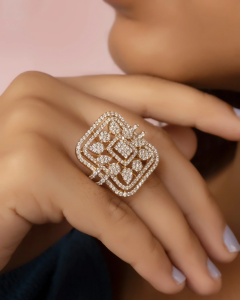
Clarity refers to the natural inclusions and blemishes that form inside or on the surface of a diamond. These are tiny, unique marks created during the gem’s natural formation under extreme pressure and heat - nature’s fingerprint on every stone.
Inclusions are internal (like tiny crystals or feathers), while blemishes appear on the surface (like scratches or nicks). Most are microscopic and invisible without magnification, but they affect how light travels through the diamond - and therefore, how much it sparkles.
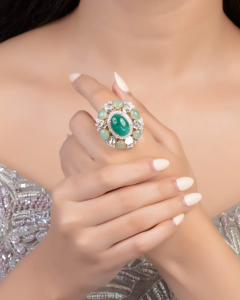
Diamonds are graded using the GIA (Gemological Institute of America) clarity scale - a globally recognized system that assesses how many and what type of inclusions a stone has, as well as their visibility and location.
Here’s the standard clarity scale (from rarest to most common):
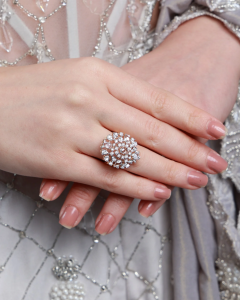
Clarity is one of the 4Cs of diamond quality - alongside cut, color, and carat - and directly affects how a diamond looks and performs.
But clarity isn’t about chasing perfection - it’s about understanding balance. At Tyaani, our gem experts handpick diamonds that look flawless to the eye, even if they aren’t technically flawless on paper.
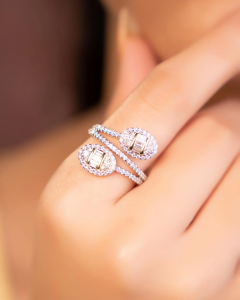
Think of a clarity chart as a map of your diamond’s character. Each inclusion type tells a different story:
When reading a diamond report, look for three things:
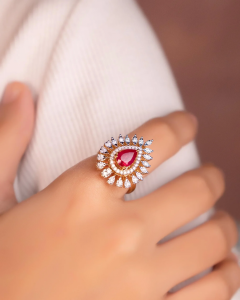
Here’s the golden rule: the best clarity isn’t the highest grade - it’s the one that looks eye-clean and fits your design.
Faceted Diamonds: These are precision-cut stones designed to reflect maximum light. Here, clarity directly affects sparkle - fewer inclusions mean more fire and brilliance.
Polki Diamonds: Uncut, raw, and regal - Polkis are loved for their natural inclusions and warmth. Their closed setting reflects light from beneath, creating a golden, antique glow rather than mirror-like sparkle.
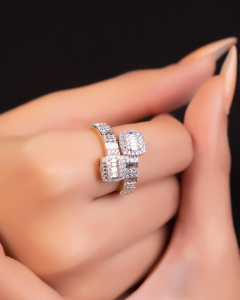
Clarity is one piece of the diamond puzzle. When choosing your engagement ring, balance it with the other 3Cs - cut, color, and carat.
Choosing your engagement ring is an emotional journey, not a technical checklist. Diamond clarity matters, but only in harmony with craftsmanship, story, and soul. At Tyaani, we believe your diamond should feel alive - radiant in light, rich in legacy, and personal to your love story. Whether you choose a flawless solitaire or a handcrafted Polki masterpiece, every piece we create carries emotion in every facet.
Diamonds are graded as FL (Flawless), IF (Internally Flawless), VVS1–VVS2, VS1–VS2, SI1–SI2, and I1–I3, based on how visible their inclusions are under 10x magnification.
“Eye-clean” means a diamond looks flawless to the naked eye - even if inclusions are visible only under magnification. Most VS and SI clarity diamonds fall in this category.
Only in rare cases. Most inclusions don’t affect durability. Deep cracks or large feathers can, but such stones are never used in Tyaani’s certified collections.
Flawless diamonds are rare and valuable, but the difference in beauty compared to VS or VVS stones is nearly invisible to the eye. For most buyers, eye-clean clarity offers far better value.
VS1 or VS2 clarity gives stunning brilliance while keeping prices balanced - perfect for solitaire or halo engagement rings.
VVS diamonds have extremely tiny inclusions visible only under powerful magnification. VS diamonds have slightly larger inclusions but still appear flawless to the naked eye.
VS2 or SI1 clarity offers the best mix of quality and affordability. These stones look brilliant while costing significantly less than flawless grades.
Yes, larger diamonds (over 2 carats) make inclusions more visible, so higher clarity (VS or above) is recommended for bigger solitaires.
Natural inclusions have organic shapes like feathers or crystals. Synthetic or treated diamonds often show unnatural patterns.
VS1–VVS2 clarity is ideal for solitaires, where the diamond takes center stage. The cleaner the stone, the more dazzling its reflection.
In halo or cluster designs, SI1 or SI2 clarity works perfectly since small side diamonds hide inclusions easily.
No. Diamond clarity is stable and permanent. However, surface dirt or oil can make inclusions appear more visible - gentle cleaning restores sparkle.
Clarity measures internal purity, while cut determines how well the diamond reflects light. A perfectly cut diamond with medium clarity often outshines a flawless one with poor cut.
Yes. Fancy-coloured diamonds are valued more for colour intensity than clarity. Minor inclusions don’t reduce their beauty or price as much as in white diamonds.
Avoid I1–I3 clarity, where inclusions are visible to the naked eye and may affect durability. For lifetime jewellery like engagement rings, choose SI1 or better.