


Chat for Best Price
Unlock exclusive offers & much more
When most people think of diamonds, they picture dazzling white brilliance. But look closer, and you’ll see that not all diamonds are truly “white.” Some carry whispers of warmth - champagne tones, blush tints, golden glows, or icy sheens. And in 2026, these subtle shades are rewriting the rules of luxury.
From the cool clarity of Polki diamonds to the modern allure of fancy yellows and champagne hues, today’s jewellery lovers are discovering that colour isn’t a flaw - it’s a form of character. At Tyaani, each diamond tells its own story through colour - handcrafted to bring personality, history, and emotion to every piece you wear.
Let’s uncover the colour spectrum redefining diamonds in 2026 - and how you can style them to reflect your kind of radiance.
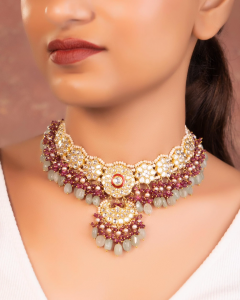
In gemology, diamond colour refers to the absence or presence of tint within the stone - usually measured on a scale from D (colourless) to Z (light yellow or brown).
In traditional Indian jewellery, particularly Polki and Jadau craftsmanship, diamond colour plays a soulful role. Slight warmth or depth in tone enhances the antique glow that modern-cut diamonds sometimes lose.
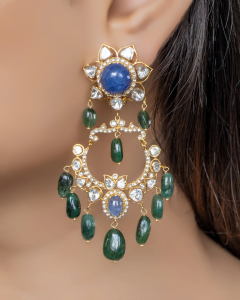
Move over icy whites - warm white diamonds are taking center stage. Their gentle cream undertone complements Indian skin tones beautifully and blends effortlessly with both yellow gold and rose gold settings. Warm whites evoke understated elegance - the kind of quiet luxury seen in bridal chokers, heirloom bangles, or minimalist pendants.
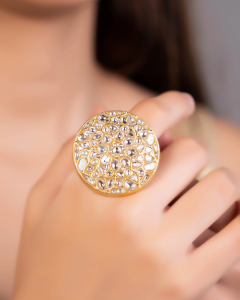
Champagne and cognac diamonds are nature’s most underrated treasures. Their earthy brown and golden hues reflect light like liquid gold - a perfect match for the new luxury aesthetic of 2026. Champagne diamonds symbolize warmth, authenticity, and individuality - perfect for those who love jewellery with a touch of character. Cognac shades, deeper and richer, add a sense of depth that feels indulgent yet grounded.
Yellow diamonds, or canary diamonds, exude joy and optimism. Their bright, golden hue has long been associated with wealth and happiness - and in 2026, they’re making a major comeback in high jewellery. Fancy yellow diamonds glow beautifully under warm Indian lighting and bring life to traditional Polki or Jadau designs. They work wonderfully as statement centre stones in engagement rings or festive chokers.
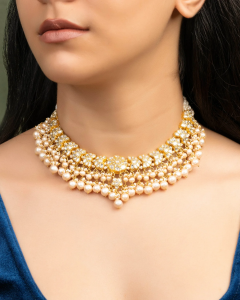
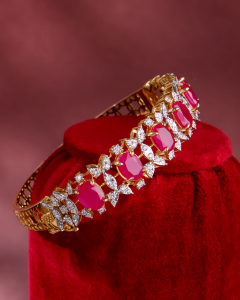
Blush-toned diamonds, with their faint pinkish undertone, are the romantic favourites of 2026. From soft rose-beige to delicate salmon, these hues evoke elegance, grace, and modern femininity. Their subtle colour pairs beautifully with rose gold and pastel gemstones, making them perfect for fusion bridal wear and modern heirloom pieces.
If warmth feels inviting, then icy white Polkis are pure poetry. Unlike modern-cut diamonds, Polki diamonds are uncut and naturally raw, often reflecting light with a soft, mirror-like sheen. Their beauty lies not in perfection but in heritage - the way they capture ancient charm while feeling timelessly elegant. In 2026, Polkis remain the eternal favourite for brides and connoisseurs who crave cultural depth with artistic authenticity.

Choosing your diamond colour isn’t just about following trends - it’s about finding the shade that mirrors you.
Diamond colour is more than a technical grade - it’s the emotional tone of your jewellery. A whisper of champagne, a touch of blush, or the icy elegance of Polki - every shade holds its own kind of magic.
At Tyaani, we don’t chase trends - we set them. Our designers reimagine traditional settings and natural diamond tones to create jewels that feel as radiant today as they will decades from now. Because the truest sparkle isn’t found in clarity charts - it’s found in craftsmanship, emotion, and the light that connects you to your heritage.
Diamond colour is graded from D (colourless) to Z (light yellow or brown) by gemological institutes like GIA. The closer to “D,” the purer and whiter the stone appears.
Colourless diamonds (D–F) are the most valuable in traditional grading. However, rare fancy colours - like pinks, blues, and vivid yellows - can surpass them in price due to rarity.
2026 is the year of champagne, fancy yellow, and blush-toned diamonds. Polki diamonds with natural warmth also remain in high demand for their handcrafted authenticity.
Red diamonds are the rarest in the world, followed by vivid blue and natural pink diamonds. Only a handful are mined each year globally.
Tyaani’s Polki diamonds range from warm white to icy clear tones, each chosen for its reflective brilliance and compatibility with handcrafted Jadau settings.
Warm whites, champagne, and yellow diamonds look stunning in yellow gold. The golden hue enhances their natural warmth and glow.
Yes. Under daylight, colours appear slightly cooler; under warm indoor lighting, warmer tones (champagne or blush) appear richer. Always view your diamond under multiple lights before choosing.
Slightly. Colourless and near-colourless diamonds reflect light more purely, while warmer stones emit a softer, richer glow. Both are beautiful - it depends on your preference for brilliance vs. warmth.
No. Natural diamond colour remains stable forever. However, residue buildup or foil in closed settings can temporarily affect how colour appears - gentle cleaning restores its original radiance.
“White diamond” is a general term for diamonds that appear white to the eye. “Colourless diamonds” (D–F) are technically purer, lacking noticeable tint under magnification.
Mixing warm and cool tones - such as white Polkis with champagne or blush diamonds - adds dimension and artistry to your jewellery. It’s one of Tyaani’s signature design philosophies.
Colourless or near-colourless diamonds (D–J) remain classic for engagement rings, while modern brides are increasingly choosing fancy yellow or blush pink diamonds for a unique, personal touch.
tyaanijewellery


