


Chat for Best Price
Unlock exclusive offers & much more
Every diamond shines - but not all diamonds shine the same way.
When most people shop for diamond jewellery, they often say, “I want a round cut diamond” or “I love oval cuts.” But here’s the catch - what they’re really referring to is the shape, not the cut. Shape and cut are two words that sound similar but define completely different things - and understanding this difference is what separates a good choice from a breathtaking one.
At Tyaani, we believe that knowing your diamond’s soul - its shape and cut - helps you find jewellery that truly reflects your individuality. Because every woman deserves not just brilliance, but brilliance that feels like her own.
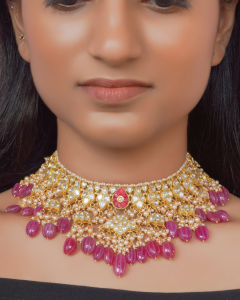
Think of diamond shape as the silhouette - the first thing you notice. It’s the outline of the diamond when viewed from above, the aesthetic that gives it personality. From the soft curves of an oval to the sharp edges of a princess cut, shape determines how your diamond feels: classic, bold, romantic, or modern.
Here are a few of the most loved shapes:
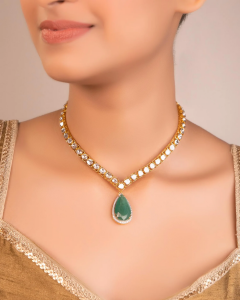
While shape is what you see, cut is what you feel when light hits the diamond.
The cut determines how beautifully light enters, reflects, and dances through the stone - the magic that makes it sparkle. A diamond’s brilliance, fire, and scintillation all depend on how precisely it’s cut, polished, and proportioned. A round diamond may look traditional, but its cut - whether shallow, deep, or ideal - decides whether it glows like candlelight or burns like the sun.
Shape - What the diamond looks like.
Cut - How the diamond performs with light.
Two diamonds can share the same shape but look completely different because of their cut. A poorly cut round diamond can look dull next to a well-cut oval one, even if they’re the same carat weight.
In essence, shape appeals to your eyes, but cut speaks to your heart - because brilliance is not about geometry, it’s about light coming alive.
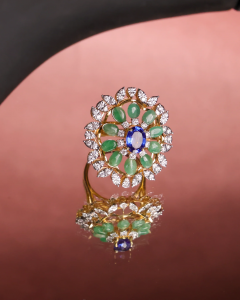
Every diamond shape has a personality - just like the woman who wears it.
Here’s what your favourite shape might say about you:
At Tyaani, we design around personalities - not just preferences. Whether it’s a round Polki choker for the traditional bride or an oval diamond pendant for the modern minimalist, our pieces are crafted to reflect who she is - not just how she looks.
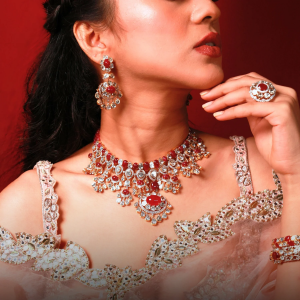
A diamond’s cut is its craftsmanship - it decides how much of its potential shines through.
A perfectly cut diamond captures light and releases it in a stunning play of brightness and fire. A poor cut, however, traps that light - making even a large diamond appear dull. The same holds true for Tyaani’s Polki jewels. Each uncut diamond is shaped and placed with precision, so even without a modern cut, it glows with its own natural radiance - proof that true beauty lies in craftsmanship, not perfection.
A diamond’s shape captures your attention. Its cut captures your heart.
And when both come together perfectly - the result is pure magic.
At Tyaani, every diamond and Polki creation embodies that magic - a blend of emotion, heritage, and design precision. Because jewellery isn’t just about what you wear; it’s about how it feels - intimate, personal, and timeless. So the next time you fall in love with a diamond, look beyond its shape. See how it shines - because that’s where its soul truly lives.
A diamond’s shape refers to its outline - what you see from the top, like round, oval, or pear. It defines the diamond’s personality and visual appeal. The cut, on the other hand, refers to how precisely the diamond’s facets are angled and proportioned. A perfect cut brings light to life - creating the sparkle and fire that makes a diamond truly luminous.
The two terms are often used together in conversation, which makes them easy to mix up. For example, people say “round cut diamond,” but “round” is actually the shape, not the cut.
Both contribute, but cut has a stronger impact on brilliance. A diamond with an excellent cut will outshine one of a similar shape and size but inferior cutting. Even a modestly sized diamond can look dazzling when it’s cut to perfection.
Two diamonds can both be round in shape, yet one may sparkle intensely while the other appears dull. That’s because the way each facet is proportioned, angled, and polished affects how light bounces within the stone.
In 2026, brides are embracing both classics and creativity. The timeless round brilliant remains the top choice, while oval and cushion shapes are trending for their soft, romantic silhouettes. Emerald and pear shapes are also rising in popularity among modern brides who love sleek, elongated designs that feel regal yet contemporary.
The Round Brilliant Cut reigns supreme in brilliance - it’s engineered to maximize sparkle by balancing symmetry, proportions, and polish.
Because the cut determines how beautifully a diamond interacts with light. Even a large, flawless diamond can appear lifeless if it’s poorly cut. A smaller, well-cut diamond, however, can appear larger and brighter because it returns more light to the eye.
Different shapes flatter different hands.
Yes - it’s one of the most effective ways to enhance your look. If you have slender fingers, go for round or cushion shapes for balanced elegance. If your fingers are shorter, elongated shapes like oval or pear create a graceful illusion of length.
The heart shape remains the rarest, not because it’s least desired but because it’s hardest to perfect. It requires an exceptionally skilled cutter to achieve symmetrical curves and a sharp cleft without losing carat weight.
The quality of the cut directly impacts how much light the diamond reflects - and thus its value. Even if two diamonds share the same colour and carat, the one with a better cut will appear more brilliant and command a higher price.
Oval and marquise cuts often appear larger than they actually are because their elongated shape covers more surface area.
The heart shape naturally symbolizes love, while cushion cuts are adored for their soft corners and vintage charm. For women who appreciate subtle romance, the oval cut is equally graceful and expressive - elegant without saying too much.
Yes, they’re at the forefront of modern bridal jewellery trends. Ovals, marquise, and emerald shapes create a slimming illusion on fingers and lend an elegant, fashion-forward edge to traditional jewellery.
Polishing is the final, crucial step that refines the diamond’s facets and ensures light flows seamlessly through them. Even a well-proportioned cut can lose brilliance if it’s not polished to perfection.
Because the cut determines how the diamond “breathes” - how light enters and exits the stone. Without the right angles and symmetry, the diamond looks flat. With perfect cutting, it comes alive with sparkle and depth - like it’s lit from within.
Yes - certain shapes, like round or cushion, reflect light more evenly, creating all-over sparkle. Others, like emerald or asscher, have a “hall of mirrors” effect - long flashes of light instead of glittery brilliance.
Shape defines the pattern of light return, while cut quality controls the intensity of that light. A perfect cut in any shape maximizes its natural beauty - whether it’s the fiery flashes of a round or the sleek glints of an emerald.