


Chat for Best Price
Unlock exclusive offers & much more
Gold shopping in Surat is rarely just about buying gold. It is about choosing something you may wear for years - a pair of earrings for a celebration, a necklace for a wedding, a bangle that becomes part of your everyday style, or a diamond jewel that eventually becomes a family keepsake.
That is why checking the gold rate today in Surat is a smart first step. But the number you see online is not necessarily the amount you will pay at the jewellery counter. Purity, weight, craftsmanship, diamonds or gemstones, making charges, and taxes all contribute to the final price.
At Tyaani, understanding the gold rate is simply the beginning. The real experience is discovering a piece that fits your style, your celebration, and your story.
| Gold Purity | Gold Rate Per 10 Gram | Gold Rate Per 1 Gram | Best Suited For |
|---|---|---|---|
| 24K / 999 Gold | ₹1,52,363/ 10g | ₹15,236.3/ 1g | High-purity gold and bullion |
| 22K / 916 Gold | ₹1,39,565/ 10g | ₹13,956.5/ 1g | Traditional gold jewellery |
| 18K / 750 Gold | ₹1,14,272 / 10g | ₹11,427.2/ 1g | Diamond and contemporary jewellery |
Last Updated at 04:30 AM on 15th August, 2026 (source: IBJA)
*These are benchmark bullion rates and do not include GST or jewellery-making charges.
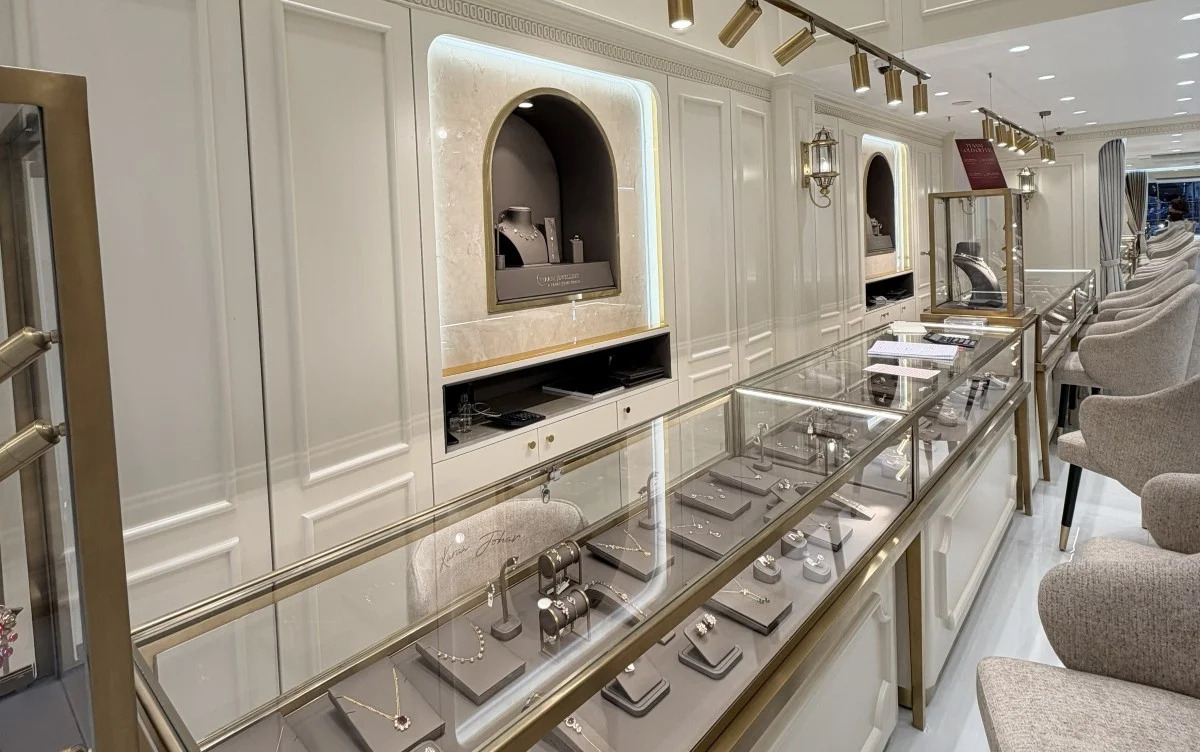
A gold rate tells you what the market is doing. A showroom lets you discover what you actually want to wear.
Whether you're looking for an elegant diamond pendant, a statement bangle, a polki necklace or a pair of earrings for an upcoming celebration, the Tyaani experience is designed around choosing jewellery with confidence. The Surat store also offers lifetime buyback/exchange, lifetime repair and old-gold exchange with 0% deduction, subject to the applicable terms.
Gold doesn't have a fixed price that remains unchanged from one morning to the next.
International gold prices, currency movements, inflation expectations, interest rates, geopolitical developments, investor demand and central-bank activity can all influence the market. Since gold is traded globally, movements in international bullion markets can eventually influence Indian gold prices as well.
The rupee also matters. When the value of the Indian currency changes against the US dollar, it can affect the domestic cost of imported gold. This is one reason gold rates can move even when there has been no obvious change at your local jewellery store.
24K gold has the highest purity among the three, represented by 999 purity in the IBJA benchmark. Because pure gold is relatively soft, 24K is more commonly associated with bullion and investment products than intricate everyday jewellery.
22K gold, represented by 916 purity, has a high gold content while offering more practical strength for jewellery. Its rich yellow colour makes it particularly appealing for traditional Indian necklaces, bangles, earrings and other classic designs.
18K gold, represented by 750 purity, contains a greater proportion of alloy metals. This makes it harder than higher-purity gold and particularly suitable for many contemporary designs and diamond jewellery where durability and secure stone settings are important.
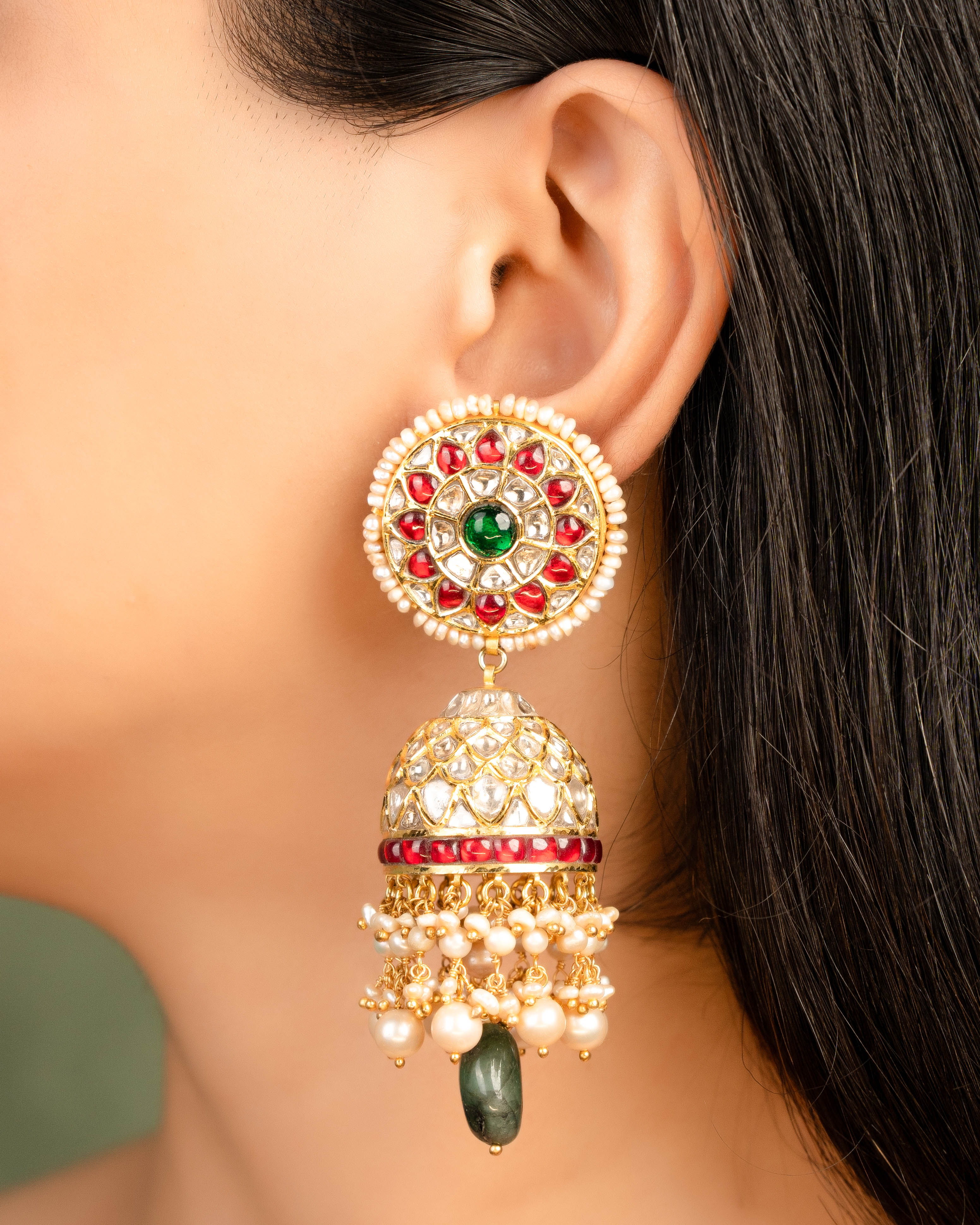
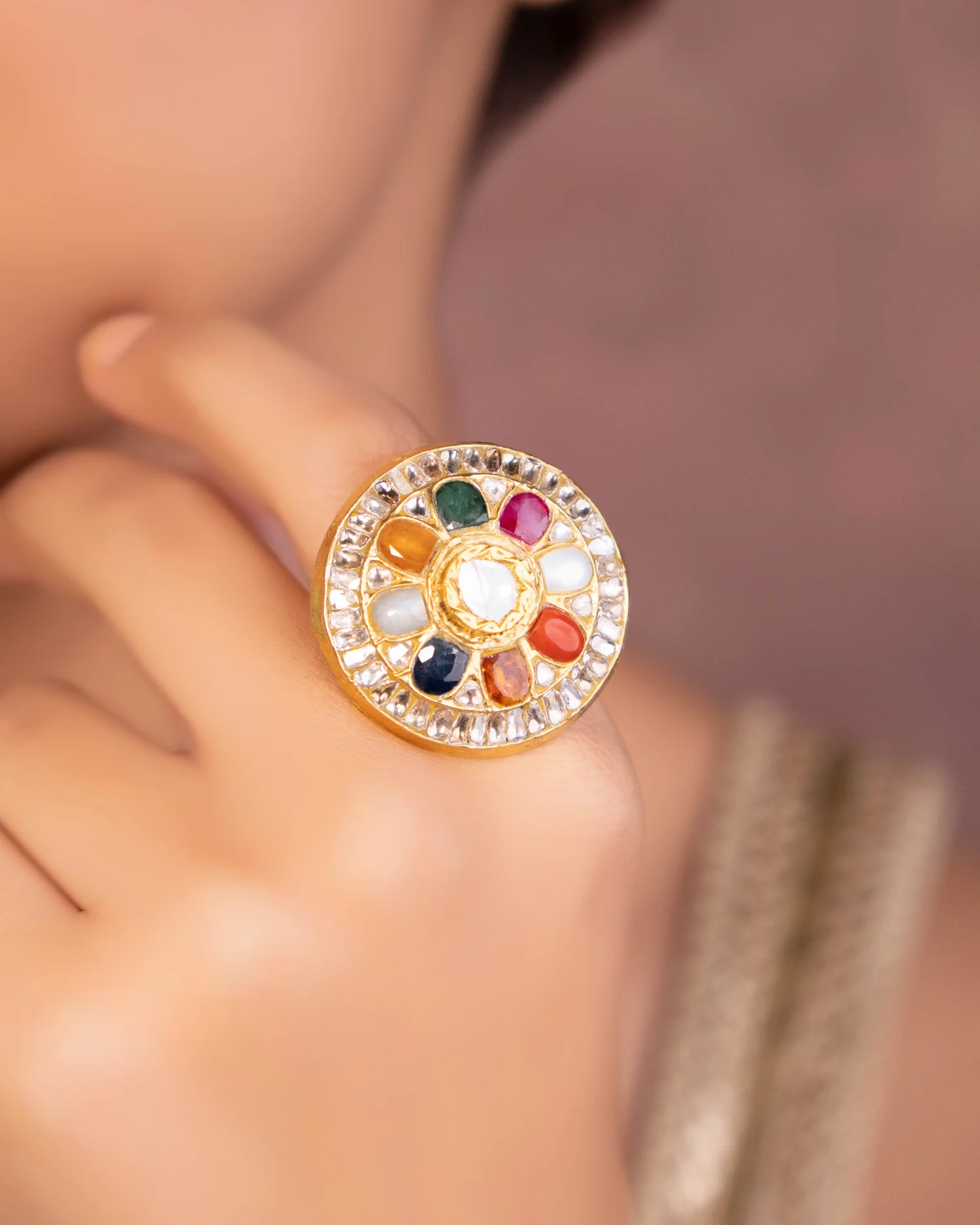
The gold rate represents the benchmark value of gold based on its purity and weight. A jewellery price represents the value of the finished piece.
Imagine you're looking at a beautifully crafted gold necklace. Its price doesn't simply reflect the number of grams of gold used. The final amount can also include craftsmanship and making charges, diamonds or gemstones, design complexity, finishing and applicable taxes.
Two necklaces containing a similar amount of gold can therefore have noticeably different prices.
This is especially important when shopping for Tyaani jewellery, where a piece may combine gold with diamonds, polki, jadau craftsmanship or coloured gemstones. The gold rate helps you understand the foundation of the price, while the finished jewellery reflects the artistry and materials that make the piece unique.
The underlying market benchmark does not change simply because you're shopping in one part of Surat rather than another. However, the final price quoted by individual jewellers can differ because of making charges, design, gemstones, taxes, policies, and other commercial factors.
The gold rate covers the underlying value of the gold. Jewellery also involves craftsmanship, making charges, design, finishing, diamonds or gemstones, and applicable taxes. Therefore, the finished price will normally be higher than simply multiplying the gold rate by the jewellery's weight.
As of 15th August, 2026, 1 gram of gold is ₹15,236.3 for 24K, ₹13,956.5 for 22K, and ₹11,427.2 for 18K. These figures are benchmark rates and exclude GST and jewellery-making charges.
As of 15th August, 2026, 10 grams of gold is approximately ₹1,52,363 for 24K, ₹1,39,565 for 22K, and ₹1,14,272 for 18K gold. The final jewellery price will be different because additional costs apply to finished products.
Look beyond the displayed gold rate. Check the gold purity, hallmarking and product details, net gold weight, gemstone or diamond specifications where applicable, making charges, taxes, return or exchange terms, and the jeweller's certification and service policies.
Gold jewellery can have resale or exchange value, but the amount you receive depends on factors such as purity, net gold weight, prevailing gold rates, the jeweller's policy, deductions, and whether gemstones or other materials are included in the piece.
Gold is an important component of many diamond jewellery pieces, so changes in the gold rate can influence the metal component of the final price. However, diamond jewellery pricing also depends on the diamonds themselves, including their quality, size and specifications, as well as craftsmanship and other costs.