


Chat for Best Price
Unlock exclusive offers & much more
Every outfit tells a story, but it’s your jewellery that makes people stop and listen. A saree without a necklace feels incomplete, and a gown without the right sparkle looks unfinished. Yet, with endless options - from delicate pendants to regal Rani Haars - choosing the right necklace can feel overwhelming.
At Tyaani, we believe jewellery is more than an accessory - it’s an experience. Each piece carries centuries of Indian artistry, reimagined for today’s woman. Whether you’re a bride looking for her statement heirloom, a professional adding grace to workwear, or someone who simply loves turning everyday looks into a style statement, the right necklace can transform everything.
So, let’s walk through the 10 types of necklaces every woman should own in 2026 - from timeless Polki chokers to modern lariat necklaces - each designed to celebrate Indian elegance with a global flair.
The choker is a timeless favourite. In India, it has been a part of bridal jewellery for centuries - crafted in Polki or pearls. Its snug fit around the neck draws attention to the face and neckline, making it both powerful and elegant.
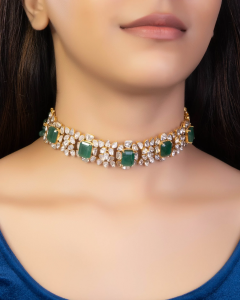
In 2026, chokers aren’t just for brides. Imagine a Polki choker worn with a silk saree at a wedding, then restyled with an off-shoulder black gown for a cocktail night. That’s the versatility Tyaani’s chokers offer - heritage artistry that moves fluidly between traditional and modern wardrobes.
Simple, delicate, and endlessly wearable, pendant necklaces are every woman’s go-to. They sit lightly on the collarbone and carry just the right amount of sparkle for everyday elegance.
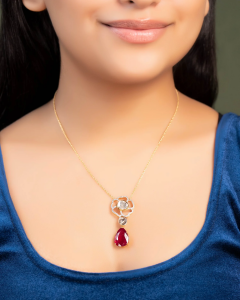
At Tyaani, pendants are handcrafted in Polki, often paired with meenakari or gemstone drops. They make for perfect daily wear, but also elevate festive kurtas and western blouses. A pendant necklace is that one piece you never take off - it grows with you, from boardroom meetings to intimate dinners.
The collar necklace is bold, structured, and regal. Unlike the slimmer choker, a collar covers the neckline more fully, creating a statement look that instantly commands attention.
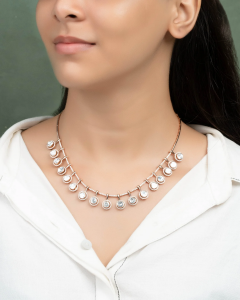
Indian brides have long loved collar necklaces because they frame the face and sit beautifully over wedding lehengas and saree blouses. In Polki, they exude heritage luxury, turning every bride into royalty. At Tyaani, each collar necklace is a piece of art - intricately handcrafted to feel like an heirloom while still being light enough to wear with ease.
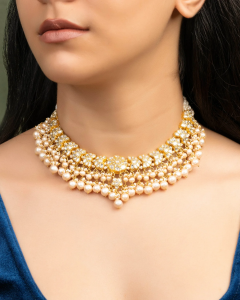
Pearls are poetry in jewellery. They radiate a soft, understated glow that works for every generation. From single strands for elegance to layered multi-strings for grandeur, pearls adapt to every mood.
When blended with Polki diamonds, pearls take on a new personality - luxury with gentleness. Imagine a bride in an ivory lehenga with a Polki-and-pearl set, or a modern woman layering her pearl strand over a crisp white shirt. That’s the beauty of pearls: they never go out of style.
Some occasions call for subtlety, others call for drama. A statement necklace is that one piece you put on when you want to be remembered. Usually bold, often wide like bibs or encrusted with large Polki stones, statement necklaces speak before you do.
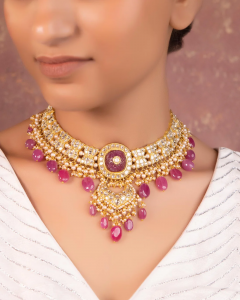
At Tyaani, statement necklaces are designed to replace the need for multiple accessories. Pair one with a bridal lehenga, or wear it with a simple saree and let the necklace do all the talking. It’s jewellery that becomes the conversation.
Layering necklaces is one of the most powerful style moves of 2026. By combining chokers, mid-length pendants, and long Rani Haars, you create depth, richness, and drama in your look.
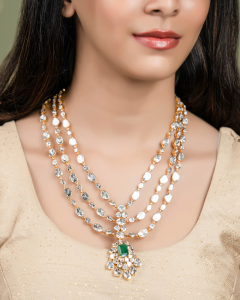
Tyaani’s collections are made to layer. A delicate Polki pendant can sit beneath a bold choker, while a Rani Haar flows gracefully over both. For brides, layered necklaces are a way to look resplendent without being overdone. For modern women, layering turns even everyday outfits into high-fashion moments.
Colour has a language of its own, and beaded necklaces speak it fluently. Crafted with gemstones like emeralds, rubies, or sapphires, these necklaces add vibrancy and life to any look.
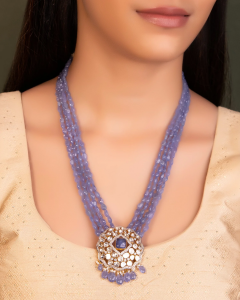
Beads paired with Polki at Tyaani are especially striking - the earthy glow of uncut diamonds against the jewel tones of gemstones creates magic. Wear a ruby-beaded Polki necklace for a mehendi, or emeralds for a festive puja, and you’ll find yourself carrying centuries of tradition with a modern spark.
The lariat necklace is modern, playful, and a little unconventional. It drapes like a rope and usually ends with a drop, tassel, or Polki motif. Unlike traditional necklaces, lariats don’t have a clasp - they loop, tie, or drape in versatile ways.
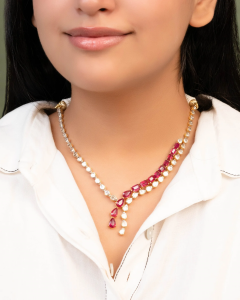
At Tyaani, lariat-inspired designs bring an Indian soul to this western concept. Picture a sleek Polki lariat paired with a satin gown, or styled with an Indo-western fusion outfit - it’s perfect for women who want jewellery that feels experimental yet elegant.
A mangalsutra is more than a necklace - it’s a symbol of love, tradition, and identity for Indian women. Once seen only as a ritual ornament, it has now been reimagined into contemporary designs that brides love to wear daily.
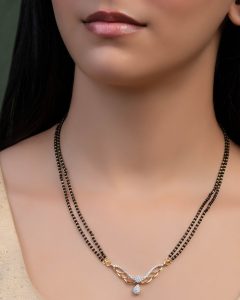
Tyaani’s Polki mangalsutras are crafted to be lightweight, stylish, and versatile. They move with you - from traditional ceremonies to modern workspaces - so you never have to put away something that means so much.
The soul of Indian bridal jewellery is Polki. Crafted with uncut diamonds set in gold using the ancient Jadau technique, Polki necklaces carry centuries of heritage.
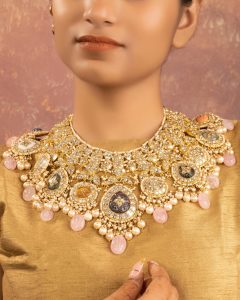
What makes Polki truly special is its versatility. It can be a choker, a Rani Haar, a collar, or even a pendant. Owning a Polki necklace is like owning a piece of living history - luxury that you can wear, celebrate, and pass down.
Owning necklaces isn’t about filling a jewellery box - it’s about curating your identity. From everyday pendants to heirloom Polki collars, each type speaks to a different moment of your life.
At Tyaani, every necklace is more than just a design; it’s an experience that connects you to India’s artistry while helping you express your own style. In 2026, let your jewellery be your boldest, most beautiful statement.
Globally, there are more than 20 necklace types, but in Indian jewellery, the most prominent include chokers, Rani Haars, collars, pendants, mangalsutras, bibs, and layered designs.
Chokers, Rani Haars, Polki necklaces, mangalsutras, and pearl strands are the most loved in Indian jewellery traditions.
In 2026, layered necklaces, contemporary mangalsutras, Polki chokers, and lariat styles are dominating bridal and festive looks.
Brides prefer chokers, collars, Rani Haars, and Polki statement pieces. These create a layered, royal look that photographs beautifully.
A choker is slimmer and sits closely around the neck, while a collar necklace is wider and covers more of the neckline.
Pendant necklaces, simple chokers, and lightweight mangalsutras are ideal for daily wear.
A choker is short and close to the neck, while a Rani Haar is long, often extending below the bust. They’re often paired together for bridal looks.
Layered necklaces, contemporary Polki mangalsutras, pearl + Polki fusion pieces, and lariat necklaces are trending.
Pendants, Polki chokers, and lightweight collar necklaces make timeless and versatile gifts.
Opera necklaces are 26–36 inches long, while rope necklaces are longer than 36 inches and can be styled in multiple layers or knots.
Yes! Layering is highly fashionable. Pair a choker with a Rani Haar or mix pendants with opera necklaces for added depth.
A necklace is a general term for neck jewellery, while a haar refers specifically to longer, regal necklaces in Indian tradition.
Not always. Chokers look best with deep or off-shoulder necklines, pendants suit V-necks, and Rani Haars flatter high-neck blouses.
Lariat necklaces, sleek chokers, and delicate pendants are ideal for gowns.
Chokers and collars are the most flattering, as they balance proportions and highlight the neckline gracefully.
tyaanijewellery


