


Chat for Best Price
Unlock exclusive offers & much more
When you think about Indian jewellery it is usually all about gold, but it is so much more than that. Indian jewellery is a perfect amalgamation of many intricate details, craftsmanship, designs, and other elements, like diamonds, polki, pearls, and colorful gemstones, and here each piece tells a unique story of India's rich cultural heritage and jewellery traditions. In India, jewellery is a symbol of status, a traditional significance, an heirloom, and a work of art. Whether you're planning a wedding, or searching for the perfect statement piece, in this blog post, we will explore the world of Indian Jewellery and learn the timeless elegance and cultural richness in every piece.
Indian jewellery stands out, is well known for, and preferred for its rich cultural heritage, intricate craftsmanship, and deep symbolism. Indian jewellery is unique and showcases specific unique elements in its design that represent and showcase regional elements, motifs, and designs. Unlike Western jewellery, which often focuses on minimalism and modernity, Indian jewellery is a celebration of tradition and diversity. Each piece tells a story, blending history, art, and spirituality.
From Kundan and Polki to Jadau jewellery, Indian designs showcase elaborate patterns, vibrant gemstones, and unique techniques that have been perfected over centuries. Indian jewellery usually holds high cultural significance and value, that often symbolizes prosperity, protection, or marital status. Its timeless elegance and connection to rituals make it more than just an accessory that is adorned by Indian men and women, it is considered a legacy that is happily passed through generations.
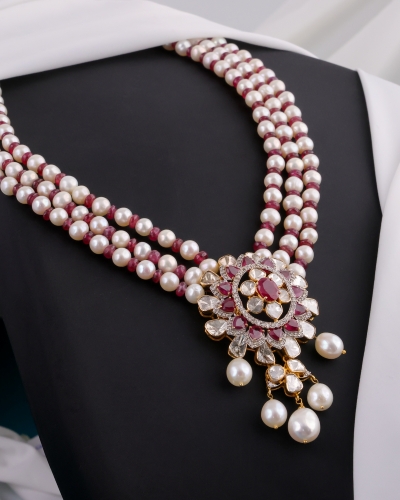
Even in 2025, there are some popular types of traditional Indian jewellery trends and pieces that are loved by women, surpassing ages.
Long diamond earrings are elegant and versatile, perfect for festive occasions or weddings. Their sleek design adds a touch of glamour to any outfit, making them a popular choice in 2025. Whether paired with traditional sarees or modern gowns, these earrings effortlessly enhance your look with their timeless sparkle.
Chaandbalis, inspired by the crescent moon, remain a favorite in Indian jewellery. Crafted with intricate designs and adorned with pearls or gemstones, they are perfect for weddings and festive events. These earrings add drama and elegance to ethnic wear, making them a must-have accessory for a stunning traditional look.
Jadau bangles represent the rich heritage of Rajasthan. Studded with precious stones and crafted with intricate detailing, they are ideal for bridal wear or festive occasions. These bangles blend tradition and trend, adding a regal touch to any outfit while preserving cultural significance.
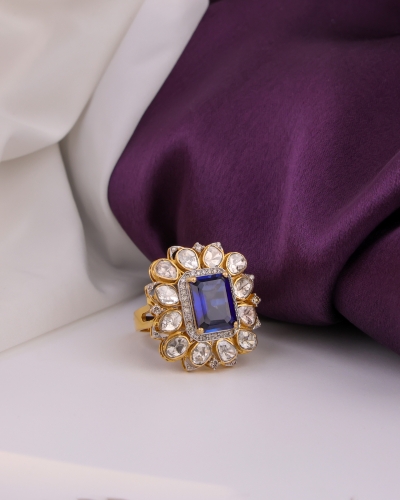
Polki rings feature uncut diamonds set in gold frames, showcasing raw beauty and timeless charm. Perfect for weddings or celebrations, these rings exude sophistication and elegance. Their intricate craftsmanship makes them a standout accessory that complements both traditional and modern outfits.
This choker combines dazzling diamonds with colorful beads for a unique look. It’s perfect for bridal wear or festive attire, offering a blend of tradition and contemporary style. The compact design enhances necklines beautifully, making it a trending choice in 2025.
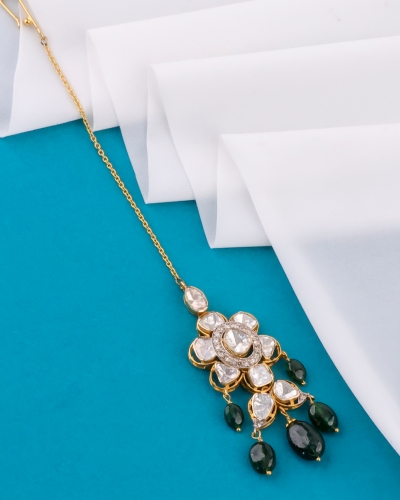
Polki maangtikas are forehead accessories adorned with uncut diamonds and gold detailing. They add elegance to bridal looks while highlighting facial features. This timeless piece remains popular for weddings, symbolizing tradition and beauty in every design.
Diamond pendants are simple yet stunning accessories that suit both casual and formal occasions. Their minimalistic design makes them versatile while retaining elegance. Whether worn with gold chains or layered necklaces, these pendants are an essential addition to any jewellery collection.
This necklace set combines the raw charm of Polki diamonds with vibrant beads for a unique fusion style. Perfect for weddings or festive events, it adds color and sparkle to ethnic outfits while maintaining traditional appeal.
Layered diamond Polki necklaces are bold statement pieces that exude luxury. Featuring multiple strands of uncut diamonds set in gold frames, they are ideal for brides or grand celebrations. These necklaces enhance traditional attire with their opulent design and timeless elegance.
Traditional regional Indian jewellery is known for its unique designs, materials, and craftsmanship, deeply rooted in the culture of each area. Across India, 22K yellow gold is widely used for its purity and rich color, symbolizing prosperity and status.
Diamonds and Polki play a significant role in enhancing the beauty of these designs. Polki, with its uncut diamonds, is often paired with gold to create stunning pieces that reflect raw elegance.
These various regional styles differ greatly, from Rajasthan’s intricate Kundan and Meenakari work to South India’s temple jewellery featuring bold gold motifs. These designs blend tradition with timeless artistry, making them truly special.

Indian jewellery can be worn for any occasion, big or small. Here is how you can choose the right pieces for different occasions.
For weddings, choose stunning Polki or Jadau jewellery. These pieces often feature intricate designs and uncut diamonds, adding elegance to bridal attire. Gold jewellery with colorful beads can also enhance the overall look, making you feel special on your big day.
For daily wear, opt for simple diamond or gold jewellery. Lightweight designs with small diamonds or delicate gold pieces are perfect for everyday use. Beads can add a pop of color without being too flashy, making them ideal for casual outfits.
For evening parties, elegant diamond jewellery is a great choice. Long diamond earrings or statement necklaces can add glamour to your outfit. Polki jewellery with its unique charm can also be a stunning option, ensuring you shine at any gathering.
At formal events, sophisticated gold or diamond jewellery is essential. Choose classic designs that complement your attire without being overwhelming. Jadau pieces can add a touch of tradition while remaining elegant, making them suitable for corporate functions or formal dinners.
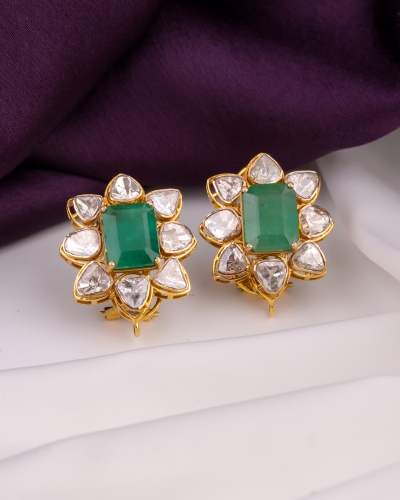
To take care of Indian jewellery, store it in a soft cloth or box to prevent scratches. It is best and suggested to clean it gently with a soft cloth after wearing, and better to avoid exposing it to harsh chemicals or perfumes. You can also regularly check for loose stones and get them repaired to keep your jewellery looking beautiful.
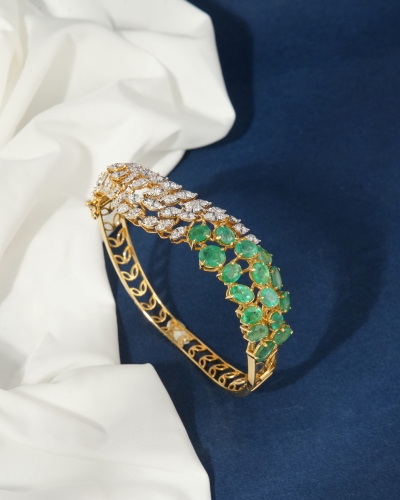
At Tyaani, you can find real traditional jewellery that is beautiful and unique. We specialize in Polki and Jadau pieces made from 22K gold and uncut diamonds, and each exclusive piece is designed carefully, combining old styles with modern looks. Tyaani offers jewellery that is perfect for any occasion, and is a perfect representation of India's diverse and rich culture.
India has various types of jewellery, including Polki, Jadau, and diamond-studded designs. Also here, each region has its unique styles, like Meenakari in Rajasthan and gold jewellery in South India.
Gold jewellery is the most popular in India due to its cultural and traditional importance. Polki, Jadau, and diamond-studded pieces are also widely loved for weddings and festive occasions.
For weddings, Polki, Jadau, and Diamond jewellery are ideal and most preferred, as these intricate designs with uncut diamonds and 22K gold enhance bridal attire and symbolise tradition and elegance.
No, Indian jewellery is also made with silver, diamonds, gemstones, and beads. However, 22K gold remains the most common material due to its cultural significance, durability and affordability reasons.
You should store jewellery in soft cloth pouches or boxes when not in use, clean gently with a soft cloth, and avoid exposure to perfumes or chemicals. You can also regularly check for loose stones to maintain its beauty and get it polished if worn every day.
Jadau jewellery is considered the most royal due to its intricate craftsmanship and use of uncut diamonds, gemstones, and gold, as it was historically worn by kings and queens.
tyaanijewellery


