


Chat for Best Price
Unlock exclusive offers & much more
In Mumbai, gold is rarely just a number on a price board. It can be the beginning of a wedding story, a milestone gift, a family heirloom, or simply that one beautiful piece you've been waiting to add to your jewellery collection.
But before you choose a gold necklace, diamond bracelet or statement ring, it helps to understand what today's gold rate actually means.
Gold prices move every day, influenced by global markets, currency movements and economic conditions. More importantly, the rate you see quoted for gold is not necessarily the final price you'll pay for jewellery. Purity, gold weight, making charges, diamonds or gemstones, GST and craftsmanship all contribute to the final bill.
For Mumbai jewellery shoppers, this page brings together the latest 22K, 24K and 18K gold benchmark rates, explains how they are determined, and helps you understand what they mean when you shop for fine jewellery.
| Gold Purity | Gold Rate Per 10 Gram | Gold Rate Per 1 Gram | Best Suited For |
|---|---|---|---|
| 24K / 999 Gold | ₹1,53,071 / 10g | ₹15,307.10/ 1g | High-purity gold and bullion |
| 22K / 916 Gold | ₹1,40,213 / 10g | ₹14,021.30/ 1g | Traditional gold jewellery |
| 18K / 750 Gold | ₹1,14,803 / 10g | ₹11,480.30/ 1g | Diamond and contemporary jewellery |
Last Updated at 02:16 AM on 15th August, 2026 (source: IBJA)
*The above rates are without 3% GST and making charges.

International gold prices are one of the biggest influences. Gold is traded globally, so movements in international bullion prices can eventually affect Indian rates. Currency movements matter too. Because international gold is generally quoted in US dollars, changes in the USD/INR exchange rate can influence the rupee value of gold in India.
Economic conditions also play their part. Interest-rate expectations, inflation, geopolitical uncertainty, central-bank activity and investor demand can all influence gold prices.
24K or 999 gold represents very high-purity gold. Because pure gold is naturally soft, it isn't always the practical choice for intricate jewellery that needs to withstand frequent wear.
It is more commonly associated with high-purity gold products and investment-oriented purchases than detailed everyday jewellery.
22K or 916 gold contains approximately 91.6% pure gold. Its rich colour and high gold content have made it particularly popular for traditional Indian jewellery.
Think of elaborate gold necklaces, bangles, earrings, and bridal jewellery where the warmth and richness of gold are part of the aesthetic itself.
18K or 750 gold contains 75% pure gold, with the remaining portion made up of other metals. This composition can provide greater durability and strength for detailed jewellery designs.
That makes 18K particularly appealing for diamond jewellery, contemporary rings, bracelets, pendants and intricate settings.
This is where many first-time jewellery buyers get confused.
If today's 22K gold rate is ₹14,021.30 per gram, that doesn't mean a 10-gram 22K necklace will simply cost ₹1,40,213.
The gold component is only one part of the final calculation.
A jewellery purchase can include the value of the gold, making or craftsmanship charges, applicable GST, and the value of diamonds or gemstones used in the design. The final amount can therefore be significantly different from the benchmark gold rate.
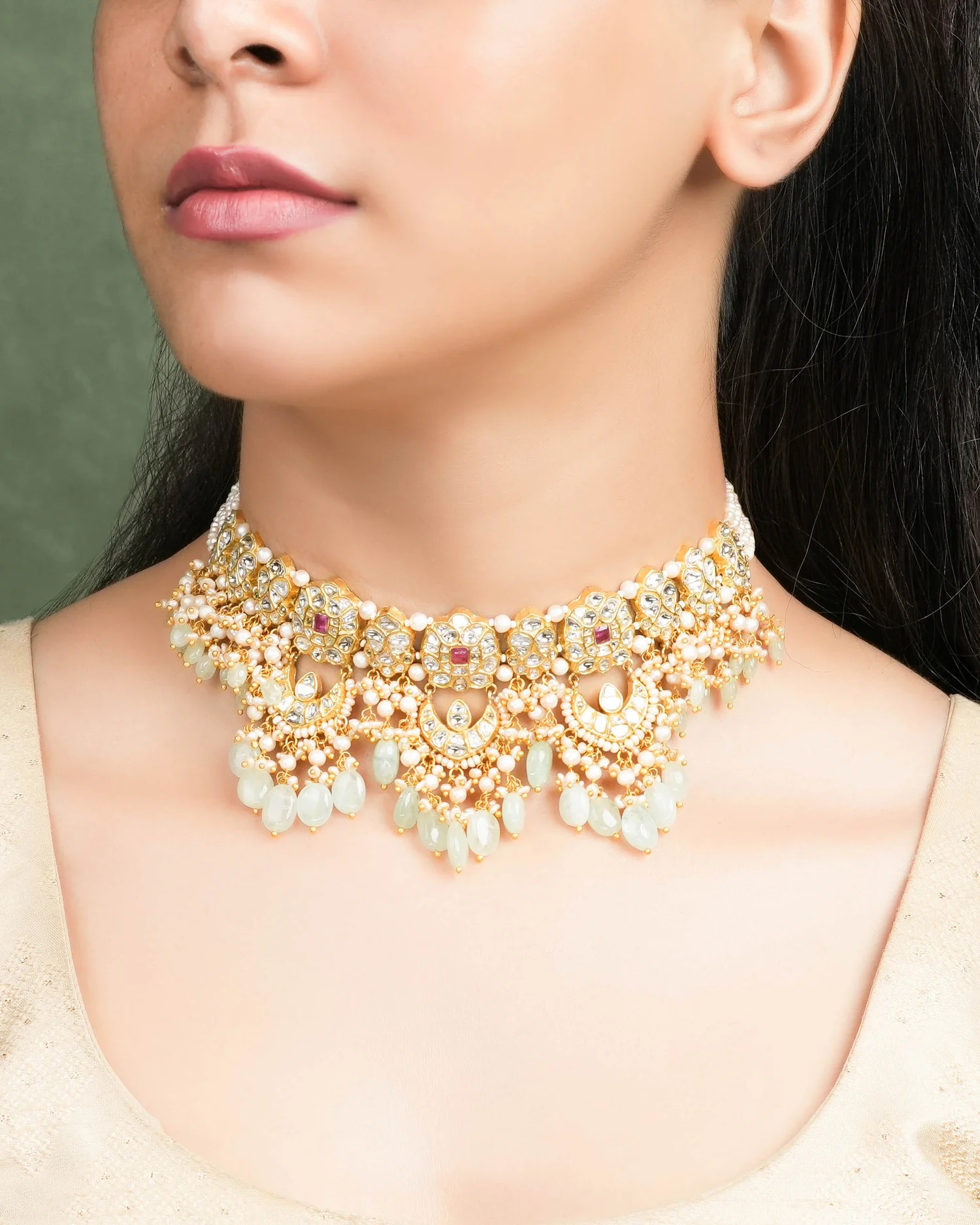
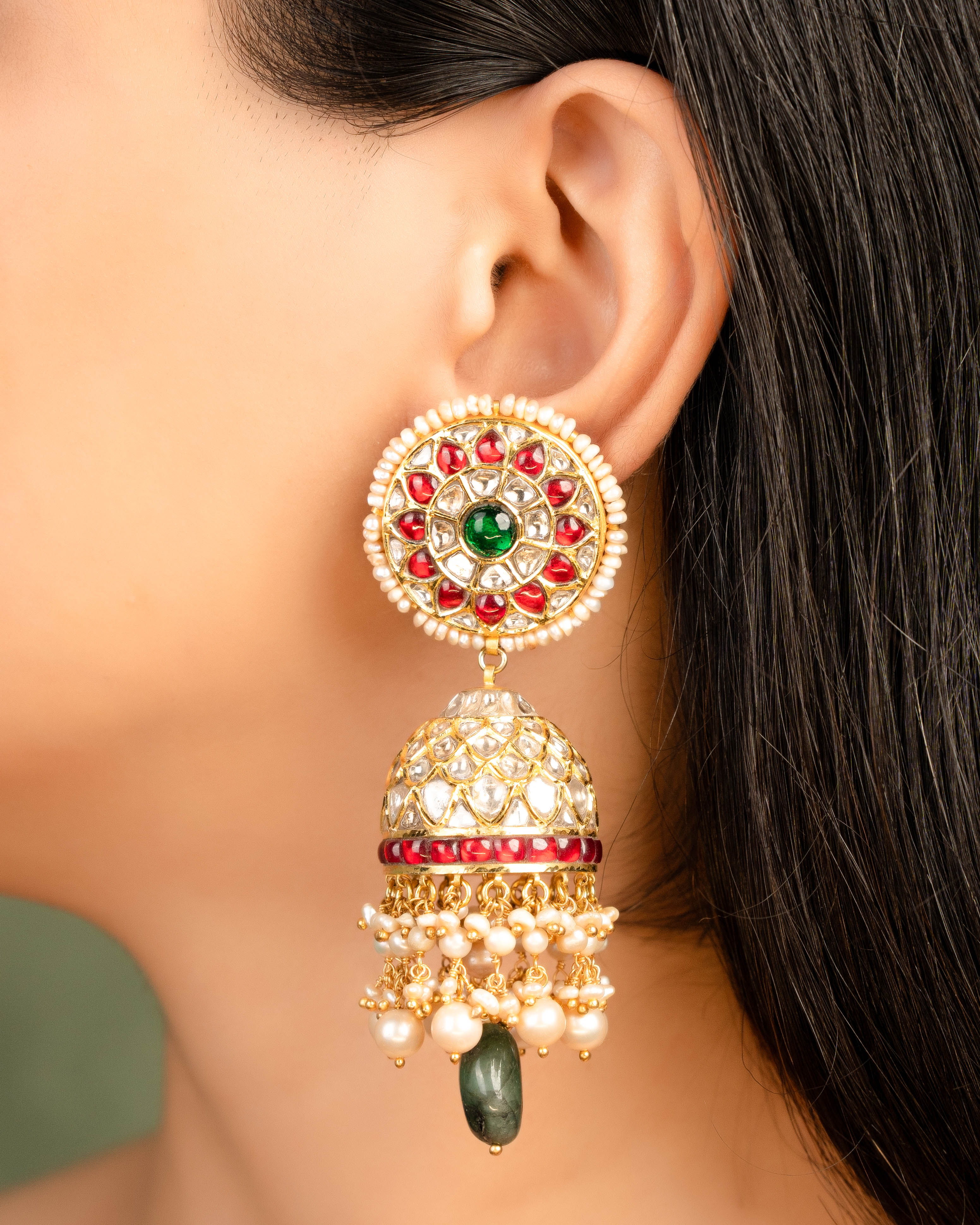
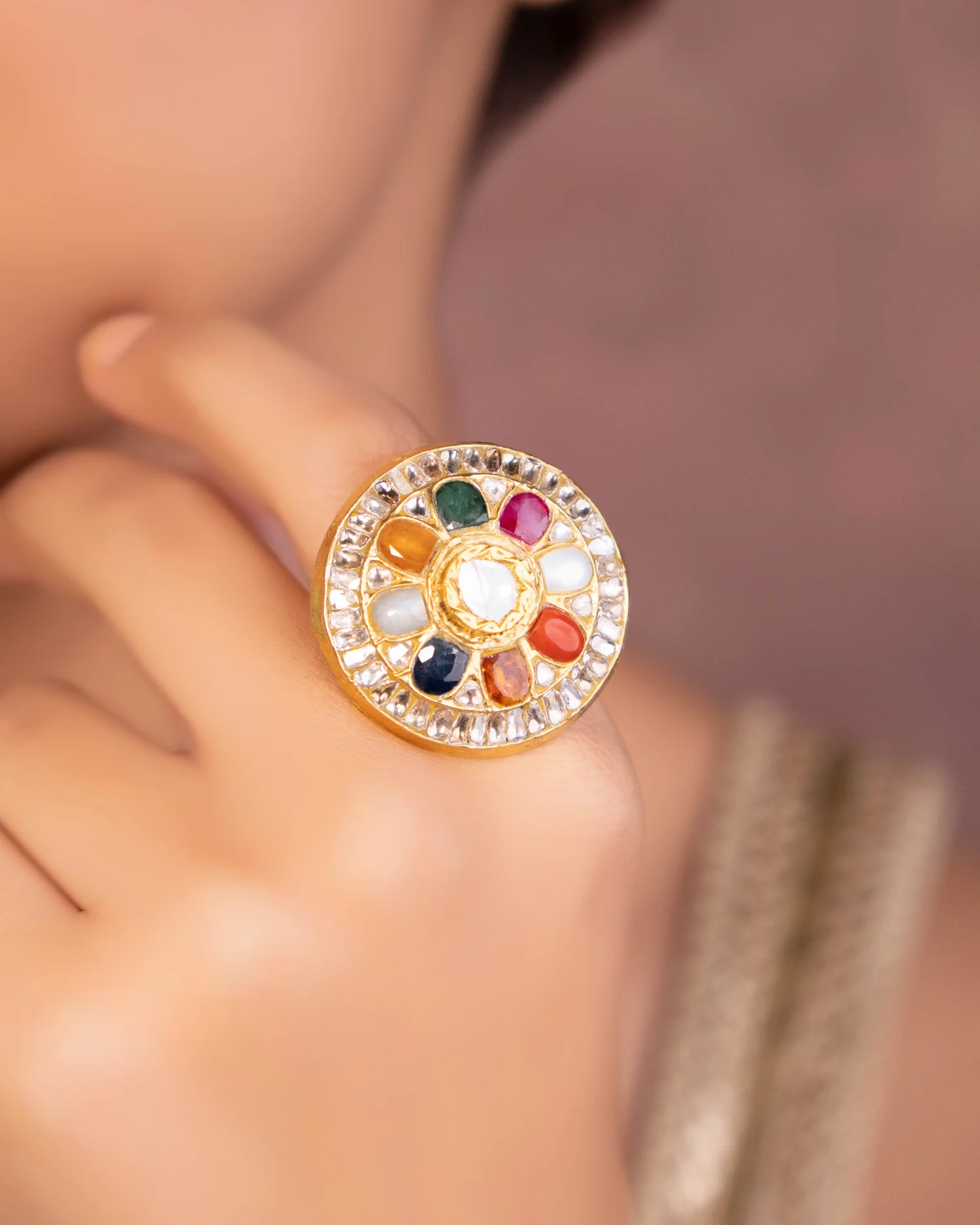
Imagine a beautifully crafted diamond necklace. You aren't simply buying 10 grams of gold. You're also buying the design, the craftsmanship, the diamonds, their setting, finishing and the experience of owning a piece created to be worn for years.
Gold rates in India are influenced by international gold prices, currency movements, global economic conditions, domestic market factors, and bullion-market activity. IBJA publishes benchmark India spot-market rates for different gold purities.
Because the gold rate represents the underlying value of the gold, while the final jewellery price can also include making or craftsmanship charges, GST, diamonds, gemstones and other applicable costs.
Neither is universally better. 22K gold is particularly suited to traditional gold jewellery, while 18K gold is widely used for contemporary and diamond jewellery because its composition offers greater strength for detailed designs.
No. The IBJA report states that its quoted gold rates are exclusive of GST. Making charges and other components of a finished jewellery piece are also separate from the benchmark gold rate.
18K gold combines 75% pure gold with other metals that can provide additional strength. This makes it well suited to intricate diamond settings and contemporary jewellery designs where durability and detailing matter.
Gold jewellery can have resale or exchange value, but the amount depends on factors including purity, weight, the prevailing gold rate and the jeweller's specific policies. Making charges and other costs may not be recovered in the same way as the underlying gold value, so always understand the applicable buyback or exchange terms before purchasing.