


Chat for Best Price
Unlock exclusive offers & much more
Gold has a way of making a jewellery purchase feel both exciting and significant. You may walk into a showroom looking for a pair of earrings or a timeless necklace, but sooner or later, the same question comes up: what is the gold rate today in Pune?
The answer matters, but it is only the beginning of understanding what you will actually pay for jewellery.
Gold prices move with the market, while the final price of a beautifully crafted piece also reflects its purity, weight, craftsmanship, making charges, taxes, diamonds or gemstones, and the design itself. That is why knowing the benchmark gold rate can help you shop with greater confidence.
For shoppers considering a new gold or diamond jewellery piece, the latest benchmark is a useful starting point. At Tyaani, the conversation goes beyond the day's gold price to the experience of finding jewellery that feels right for your style, occasion, and collection.
| Gold Purity | Gold Rate Per 10 Gram | Gold Rate Per 1 Gram | Best Suited For |
|---|---|---|---|
| 24K / 999 Gold | ₹1,52,363/ 10g | ₹15,236.3/ 1g | High-purity gold and bullion |
| 22K / 916 Gold | ₹1,39,565/ 10g | ₹13,956.5/ 1g | Traditional gold jewellery |
| 18K / 750 Gold | ₹1,14,272 / 10g | ₹11,427.2/ 1g | Diamond and contemporary jewellery |
Last Updated at 04:30 AM on 15th August, 2026 (source: IBJA)
*These are benchmark bullion rates and do not include GST or jewellery-making charges.

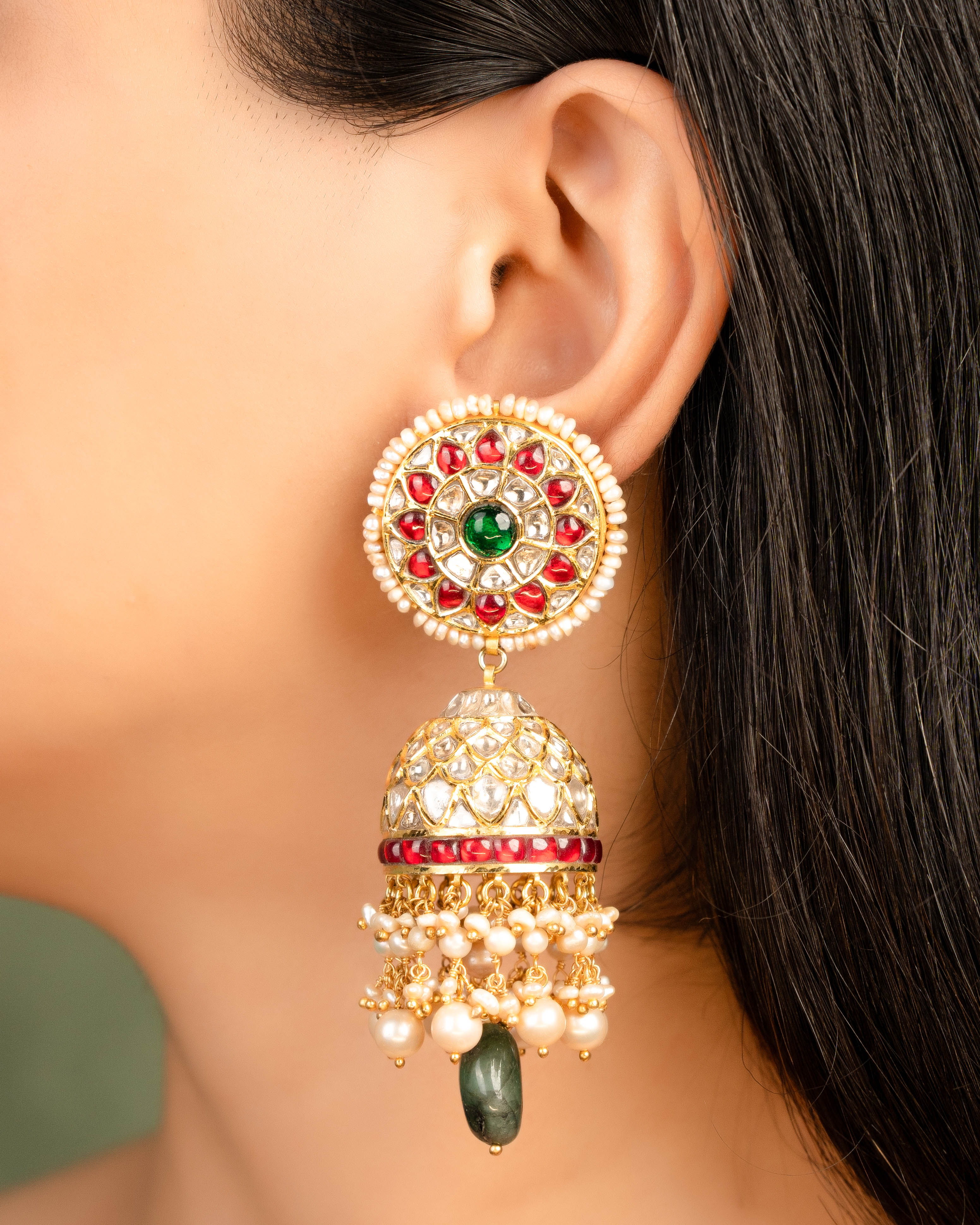
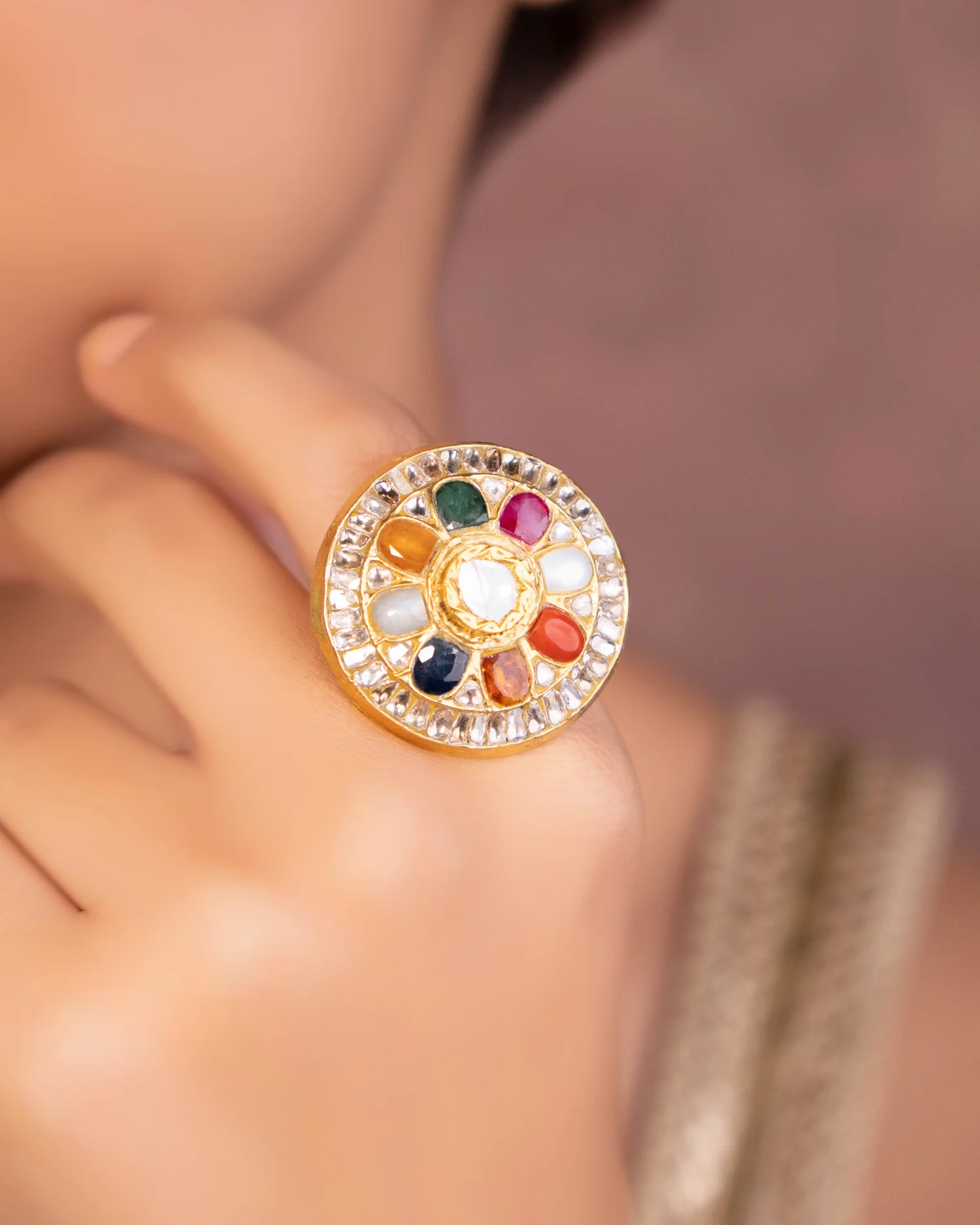
Whether you're searching for a refined pair of diamond earrings, a statement necklace, elegant bangles, or heritage-inspired polki jewellery, the experience is about finding a piece that feels beautiful today and meaningful years from now.
Tyaani's Pune store also offers facilities including lifetime buyback/exchange and lifetime repair, giving your jewellery journey a sense of continuity beyond the day of purchase.
The gold rate you see today is influenced by much more than what happens at a jewellery showroom in Pune.
International gold prices, currency movements, interest-rate expectations, inflation, geopolitical developments, central-bank activity, investment demand, and domestic market conditions can all influence the price of gold. Since India imports a significant share of its gold, movements in global prices and the rupee can also affect domestic rates.
This is why yesterday's gold rate may not be the same as today's. It is also why checking a reliable benchmark before making a significant jewellery purchase can help you understand the market environment.
24K gold represents very high purity and is commonly associated with bullion rather than intricate everyday jewellery. Its higher purity makes it softer, which can make it less practical for detailed jewellery designs that need durability and structural strength.
22K gold, corresponding to 916 purity, is a classic choice for traditional Indian jewellery. Its rich yellow appearance and high gold content make it particularly appealing for necklaces, bangles, earrings and other heritage-inspired designs.
18K gold, corresponding to 750 purity, contains a higher proportion of alloy metals than 22K gold. This gives it greater hardness and makes it particularly suitable for contemporary jewellery, including many diamond jewellery designs where durability and detailed settings matter.
The gold rate represents the market benchmark for gold of a particular purity and weight. A finished jewellery piece is much more than its raw gold value.
When you buy a necklace, bangle, ring or pair of earrings, the final price can include the gold value, making or craftsmanship charges, diamonds or gemstones, applicable taxes, and other product-specific costs.
For example, two 22K gold necklaces could contain similar amounts of gold but have very different prices because one may involve intricate handcrafted work, detailed finishing, gemstone settings, or a more elaborate design.
This is why comparing jewellery purely on the day's gold rate can be misleading. The real value of a jewellery piece lies in the combination of material, craftsmanship, design, authenticity, and the experience of owning it.
The underlying benchmark rate is generally based on national and international market conditions, but the final jewellery price can vary between jewellers. Differences may arise from making charges, design complexity, gemstone costs, taxes, and other commercial factors.
A jewellery price includes more than the raw gold value. Craftsmanship, making charges, design, finishing, diamonds or gemstones, and applicable taxes can all contribute to the final price. This is why a finished necklace or pair of earrings will normally cost more than the equivalent weight of raw gold.
As of 15th August, 2026, 1 gram of gold is ₹15,236.3 for 24K, ₹13,956.5 for 22K, and ₹11,427.2 for 18K. These figures are benchmark rates and exclude GST and jewellery-making charges.
As of 15th August, 2026, 10 grams of gold is approximately ₹1,52,363 for 24K, ₹1,39,565 for 22K, and ₹1,14,272 for 18K gold. The final jewellery price will be different because additional costs apply to finished products.
Look beyond the displayed gold rate. Check the gold purity, hallmarking and product details, net gold weight, gemstone or diamond specifications where applicable, making charges, taxes, return or exchange terms, and the jeweller's certification and service policies.
Gold jewellery can have resale or exchange value, but the amount you receive depends on factors such as purity, net gold weight, prevailing gold rates, the jeweller's policy, deductions, and whether gemstones or other materials are included in the piece.
Gold is an important component of many diamond jewellery pieces, so changes in the gold rate can influence the metal component of the final price. However, diamond jewellery pricing also depends on the diamonds themselves, including their quality, size and specifications, as well as craftsmanship and other costs.