


Chat for Best Price
Unlock exclusive offers & much more
You find the perfect saree. The blouse fits beautifully. Your hair is exactly how you imagined it. Then comes the jewellery-and suddenly, you're standing in front of the mirror wondering why the jhumkas that looked stunning in the display case don't quite create the same magic on you.
The problem isn't always the jhumka.
It could be the shape, length, proportion, or even the way it interacts with your face.
Jhumkas are among the most expressive pieces in Indian jewellery. A beautifully crafted pair can frame the face, soften features, create visual length, or add just the right amount of drama to an otherwise understated look. And in 2026, jhumkas are no longer limited to one traditional silhouette. Diamonds, gemstones, pearls, gold, polki, layered forms, and contemporary interpretations have made them remarkably versatile.
At Tyaani, the beauty of a jhumka lies not just in its craftsmanship but in how naturally it becomes part of the woman wearing it. The right pair should complement your features while allowing your personality to remain the most memorable part of the look.
So, instead of asking which jhumka is trending, perhaps the better question is: which jhumka was made for you?
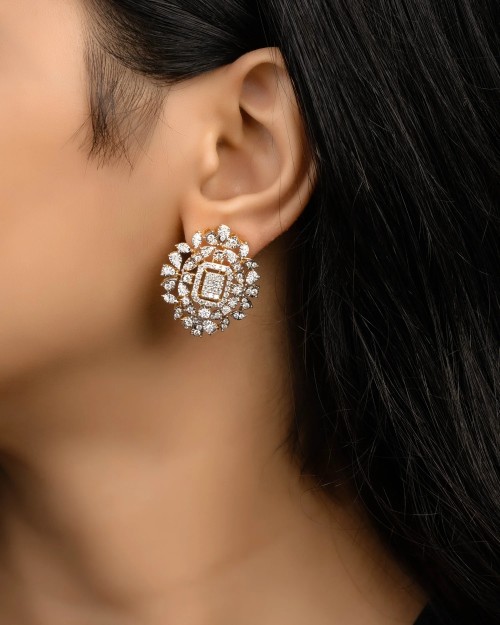
Round faces naturally have softer contours and similar width and length, making elongated jewellery particularly flattering. A jhumka with a longer silhouette can introduce visual length while creating an elegant frame around the face.
Diamond jhumkas are especially beautiful here because their brilliance adds sophistication without making the jewellery feel heavy. Look for designs that extend slightly below the earlobe, allowing the vertical line of the jhumka to complement the natural softness of the face.
For a modern look, pair elongated diamond jhumkas with a sleek saree and minimal necklace. If you're attending a wedding, a more elaborate diamond design can create a statement while still maintaining balance.
An oval face is naturally balanced, which means you have considerable freedom when choosing jhumka silhouettes.
Classic dome-shaped jhumkas are particularly beautiful because they echo the balanced proportions of an oval face without creating unnecessary visual length or width. Traditional gold domes can create a timeless aesthetic, while diamond or gemstone detailing gives the familiar silhouette a contemporary personality.
This is where the classic Indian jhumka really comes into its own. Paired with a silk saree, traditional lehenga, or even a simple kurta, a dome jhumka can instantly make the entire look feel more polished.
For women with oval faces, the question isn't so much what you can't wear. It is about choosing the design that best reflects the mood you want to create.
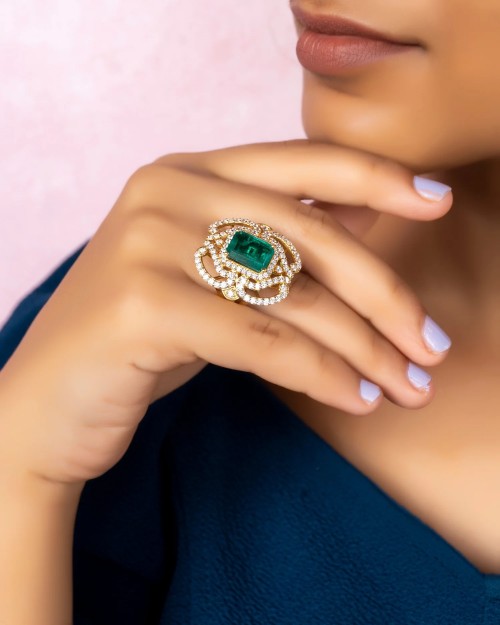
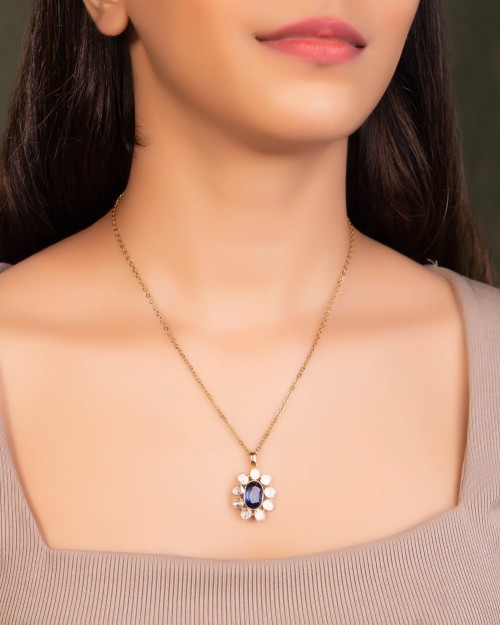
Square faces often have defined jawlines and stronger angles. Softly rounded jhumkas can create a beautiful contrast by introducing curves and movement around the face.
Consider dome-shaped designs with rounded edges, pearl details, delicate drops, or gently layered elements. These details soften the overall jewellery composition and create a more fluid visual effect.
Gold jhumkas with intricate craftsmanship are particularly beautiful for traditional occasions, while diamond or gemstone accents can make the same rounded silhouette feel more contemporary.
When paired with a saree or festive ensemble, the softness of the jhumka can beautifully complement the structured elegance of the outfit.
Heart-shaped faces typically have a broader forehead and a narrower chin, creating a distinctive silhouette that benefits from jewellery with gentle width and length towards the lower part of the face.
Long and curved jhumkas can work beautifully because their movement draws attention downward while adding visual balance. Designs featuring a wider lower dome, curved drops, or layered elements can create particularly flattering proportions.
A gemstone jhumka can add another dimension to the look. Emeralds, rubies, pearls, or other coloured stones can introduce richness while keeping the overall silhouette graceful.
For festive occasions, consider pairing these jhumkas with a relatively clean neckline so the earrings remain the focal point.
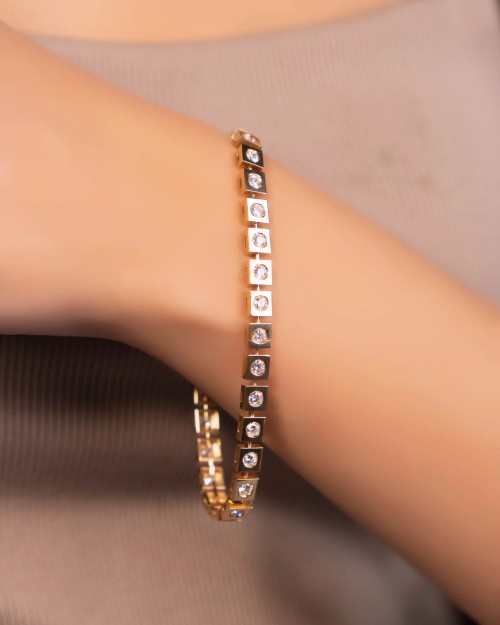
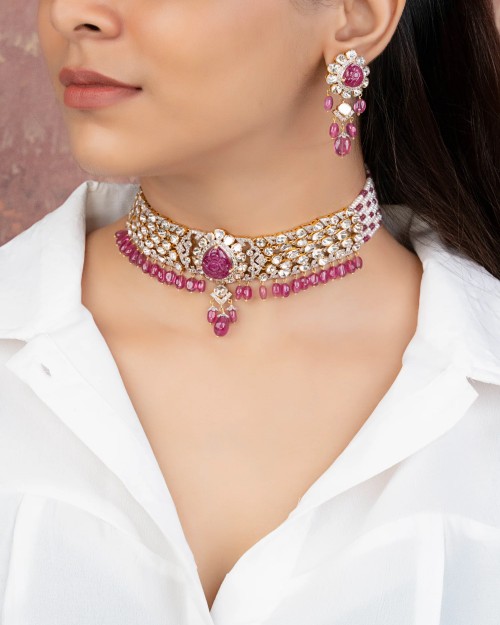
If your face is longer than it is wide, extremely elongated earrings may add more vertical emphasis than you want. Instead, medium-sized layered jhumkas can introduce width and dimension while maintaining the unmistakable character of the traditional silhouette.
Look for jhumkas with multiple tiers, rounded domes, pearl fringes, or slightly wider proportions. These details create horizontal visual interest and can make the overall look feel beautifully balanced.
The beauty of layered jhumkas is that they also work wonderfully with modern Indian fashion. Pair them with a structured saree, contemporary lehenga, or embroidered kurta for a look that feels rooted in tradition without appearing overly conventional.
Diamond-shaped faces often feature prominent cheekbones with a narrower forehead and jawline. This distinctive structure can carry statement jewellery particularly well.
Statement jhumkas with carefully balanced proportions can highlight the cheekbones while adding softness around the lower face. Designs featuring intricate goldwork, diamonds, gemstones, or multiple tiers can create a dramatic effect without overpowering your features.
For a wedding or grand festive occasion, this is your opportunity to embrace a more elaborate jhumka. Let the earrings become the hero of the look by keeping the rest of your jewellery relatively considered.
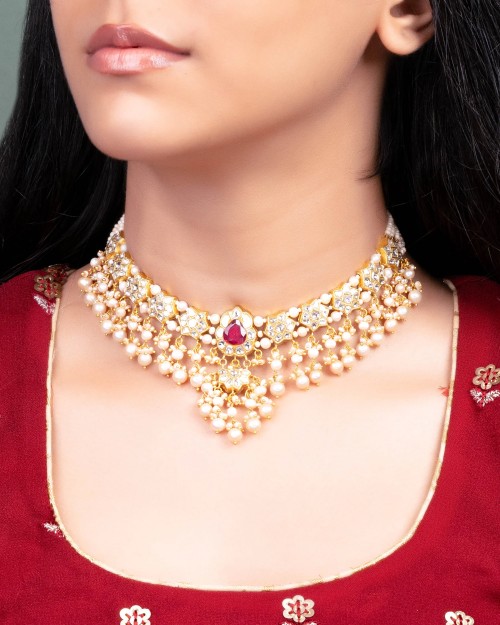
Some women have a combination of features that sit somewhere between oval and round, heart and diamond, or square and oval. In these cases, versatile gemstone jhumkas offer plenty of room for experimentation.
Gemstones bring colour and visual depth while allowing you to play with different silhouettes. Emerald jhumkas can create a regal statement, ruby details can add warmth, while pearl accents can soften a traditional design.
The beauty of gemstone jhumkas is that the stone itself can become part of your styling story. Match the colour with your outfit for a coordinated look, or deliberately choose a contrasting gemstone when you want the jewellery to stand out.
Before choosing a jhumka based on face shape, look at your face without focusing too much on individual features.
Pull your hair away from your face and observe the overall outline. Consider whether your face appears longer than it is wide, whether your jawline is particularly defined, and whether your forehead and jaw have similar or different widths.
A round face tends to have softer contours and similar width and length. Oval faces are generally longer with gently curved proportions. Square faces tend to have a more defined jaw and forehead, while heart-shaped faces are often wider around the forehead and narrower towards the chin.
Diamond-shaped faces typically have prominent cheekbones with narrower forehead and jaw areas.
If you want to visually elongate a round face, longer jhumkas can create a beautiful vertical line. If your face is already naturally long, medium-sized or wider jhumkas may offer better balance.
For oval faces, you have the freedom to experiment with both shorter domes and longer statement silhouettes. Heart-shaped faces can benefit from designs that gradually widen or become more detailed towards the bottom.
The most important consideration is proportion. A jhumka shouldn't disappear against your face, but it shouldn't overwhelm it either. The ideal size is one that feels noticeable while still allowing your features to remain visible.
Your hairstyle and neckline can completely change how a jhumka looks. Hair pulled back into a bun or sleek ponytail allows elaborate jhumkas to take centre stage, making this an especially beautiful choice for weddings and festive occasions.
If you're wearing your hair down, medium-sized or more structured jhumkas may provide better visibility without becoming lost against the hair.
Your neckline matters too. A high neckline can create a naturally structured frame, making earrings the primary jewellery focus. With deeper necklines, you have more room to introduce a necklace, but the necklace should still complement rather than compete with your jhumkas.
The dome, the drop, the gemstone, the layered silhouette, the delicate diamond detail-each design brings out something different. What matters is finding the piece that works with your proportions, your outfit, and most importantly, your personality.
At Tyaani, traditional jewellery is continually reimagined for the modern woman, bringing together Indian craftsmanship, precious materials, and contemporary styling. Whether you're looking for everyday elegance or a statement piece for your next celebration, the right jhumka should feel less like an accessory and more like a natural extension of you.
Elongated jhumkas are often particularly flattering on round faces because their vertical shape can visually lengthen the face. Diamond or gemstone details can add elegance while keeping the overall silhouette refined.
Oval faces are naturally versatile, so classic dome jhumkas, layered designs, diamond jhumkas, and statement silhouettes can all work beautifully. The choice can be guided more by your outfit, occasion, and personal style.
Softly rounded jhumkas can complement a square face by introducing curved shapes that contrast beautifully with a more defined jawline. Dome-shaped gold jhumkas, pearl-fringed designs, and rounded gemstone styles can create an elegant balance.
Long and gently curved jhumkas can work particularly well with heart-shaped faces. Designs that add visual interest toward the lower part of the earring can complement the narrower chin while creating a graceful frame around the face.
Medium-sized and slightly wider layered jhumkas can be a flattering choice for longer or rectangular faces. Multiple tiers, rounded domes, and wider silhouettes can introduce visual dimension without adding unnecessary length.
Long, vertically oriented jhumkas can create the impression of additional length, making them especially effective for rounder or softer face shapes. Slim drops and elongated diamond jhumkas are particularly suited to this styling approach.
Emerald, ruby, diamond, and pearl-adorned jhumkas can all work beautifully for weddings. The best choice depends on the bridal outfit, colour palette, other jewellery, and whether you want a classic, regal, or contemporary aesthetic.
Yes. Diamond jhumkas can be adapted to almost any face shape because diamonds can be incorporated into different silhouettes and proportions. Choosing the right length and overall design is more important than the gemstone itself.
Absolutely. Jhumkas and chokers can create a stunning traditional or contemporary combination. If the choker is elaborate, consider medium-sized jhumkas to maintain balance; with a simpler choker, you can experiment with more statement earrings.
Small to medium-sized jhumkas are generally practical for everyday wear because they offer the charm of the traditional silhouette without feeling too heavy or elaborate. Lightweight gold or refined diamond designs can work particularly well.
Yes, oversized and statement jhumkas continue to have a strong presence in 2026, particularly for weddings, festive celebrations, and fashion-forward Indian styling. The key is balancing them with simpler jewellery elsewhere in the look.
Definitely. Jhumkas can add an unexpected Indian-inspired accent to Western dressing. Try refined gold, diamond, or gemstone jhumkas with a sleek dress, blazer, or contemporary silhouette for a modern fusion look.
Yes, round faces can absolutely wear big jhumkas. Instead of avoiding statement jewellery, consider choosing a design with some vertical length or an elongated silhouette to create balance while still enjoying the drama of a larger earring.
tyaanijewellery


