


Chat for Best Price
Unlock exclusive offers & much more
Have you ever opened your accessory drawer before an event and felt confused about what truly elevates your look? You may find dozens of trendy pieces - colourful, sparkly, quirky, fun - but only one or two make you pause. Only a few pieces feel special enough to complete your outfit in a way that feels meaningful. That moment of hesitation reveals a truth: not everything you wear for adornment is jewellery.
Some pieces simply decorate you for the moment, while others stay with you for a lifetime. This simple yet powerful distinction is what separates ornaments from jewellery.
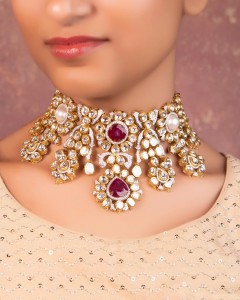
Ornaments are decorative items created solely for enhancing appearance. They can be crafted from almost anything - beads, thread, cloth, wood, shells, metal alloys, artificial stones, or even flowers. Their purpose is style, creativity, and expression. Ornaments follow trends, complement temporary fashion moods, and allow people to experiment freely with designs. They are accessible, playful, and great for everyday styling or casual occasions.
| Aspect | Ornaments | Jewellery |
| Purpose | Primarily decorative, used for styling and fashion trends | Symbolic, precious, used for heritage, emotional value, and milestones |
| Materials Used | Made from beads, fabric, thread, metal alloys, plastic, shells, acrylic, artificial stones | Crafted from gold, silver, platinum, polki, diamonds, pearls, and natural gemstones |
| Value | Low or no intrinsic value; meant for temporary beauty | High monetary, cultural, and sentimental value; often considered an investment |
| Craftsmanship | Often mass-produced or made with simple techniques | Created through expert artisanship; detailed, intricate, heritage-driven |
| Durability | Short lifespan; prone to fading, breaking, or tarnishing | Extremely durable; can last generations and be restored or repolished |
| Cultural Significance | Minimal cultural meaning; mostly fashion-driven | Deep cultural importance, used in weddings, rituals, and inheritance |
| Longevity | Designed for short-term or seasonal use | Designed for long-term use, heirloom quality |
| Emotional Connection | Low emotional value; bought for quick styling | Strong emotional resonance; associated with love, memory, and milestones |
| Investment Worth | Not considered an investment | Considered a long-term asset and financial security |
| Examples | Beaded anklets, tassel earrings, floral hairpieces, costume sets | Polki necklaces, gold bangles, diamond rings, gemstone earrings |
| Styling Impact | Enhances outfits casually; fun and playful | Elevates outfits with richness, elegance, and luxury |
| Legacy/Heirloom Potential | Rarely passed down | Frequently becomes heirloom, cherished by future generations |
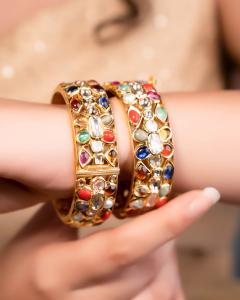
Jewellery is a refined and elevated form of adornment. It is created from precious materials such as gold, silver, platinum, polki (uncut diamonds), diamonds, pearls, and natural gemstones. Beyond the materials, jewellery carries emotional significance. In Indian culture especially, jewellery is intertwined with heritage, rituals, celebrations, and memories. A gold chain gifted on a birthday, a polki necklace chosen for a wedding, or a pair of earrings passed down from a grandmother are pieces that transcend fashion.
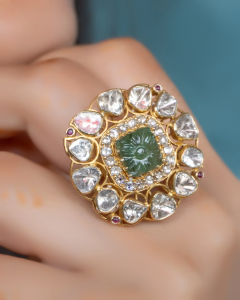
Both ornaments and jewellery have beauty and purpose, but understanding the difference helps you choose what truly matters. Ornaments are wonderful for playful styling and experimenting with trends. Jewellery, however, is a symbol of love, legacy, identity, and artistry. It holds value that extends beyond the present moment.
When you choose Tyaani, you choose pieces that celebrate you - pieces crafted to illuminate your confidence, elevate your style, and accompany you through life’s most meaningful moments.
Ornaments are decorative accessories made from various materials, while jewellery is crafted from precious metals and gemstones.
Jewellery carries emotional, cultural, and monetary value because it is made using gold, diamonds, polki, or gemstones and involves fine craftsmanship.
Jewellery uses high-quality metals and stones that last for decades, whereas ornaments often fade or break due to lighter materials.
Jewellery requires intricate artisan work and heritage techniques, while ornaments may be produced quickly with simpler methods.
Jewellery symbolizes blessings, prosperity, love, and new beginnings, making it the ideal gift for significant life events.
No, ornaments have a shorter lifespan, while jewellery is designed to last for generations.
A polki necklace is jewellery because it uses real uncut diamonds set in gold through traditional craftsmanship.
Not necessarily - even plain gold pieces are classified as jewellery due to the precious metal.
Jewellery is far superior for long-term durability, value, and emotional significance.
Jewellery is the better gifting choice because it becomes a lasting keepsake with emotional and cultural value.