


Chat for Best Price
Unlock exclusive offers & much more
There’s a reason we pause when we see a sapphire - its tranquil depth feels like gazing into the sky at dusk or the heart of the ocean. But beyond its beauty lies confusion - Why are some sapphires pink, others yellow, and some so rare they’re priced above diamonds?
For centuries, sapphires have been the jewel of kings, poets, and spiritual seekers. Yet, in today’s modern world of lab-grown stones and mass-made ornaments, finding a true sapphire - one that speaks of wisdom, grace, and authenticity - requires both knowledge and instinct.
At Tyaani, we celebrate the sapphire not just as a gem, but as an emotion - a reflection of calm strength, clarity, and inner light. Let’s journey through the world’s most stunning sapphires, discover their origins, and uncover the art of styling this gem of wisdom in 2026.
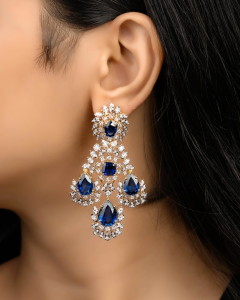
Sapphires have always carried an aura of serenity and intellect. Ancient civilizations believed that the sapphire calmed the mind, inspired clarity, and brought divine blessings. In India, it is known as Neelam, associated with Saturn (Shani Graha) - a planet of discipline, patience, and balance. For royals and mystics alike, wearing a sapphire was seen as a mark of wisdom and truth. Its celestial blue hue symbolizes trust and introspection - the kind of quiet confidence that never shouts, yet always commands respect.
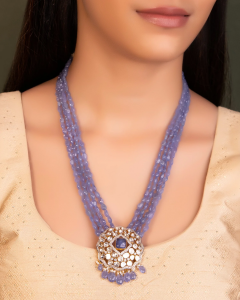
Often called the Holy Grail of Blue Sapphires, Kashmir sapphires are the rarest and most valuable of all. Their signature “cornflower blue” tone, velvety texture, and soft inner glow have made them legendary. First discovered in the 1800s in the Zanskar region of Kashmir, these sapphires are no longer actively mined - which only heightens their allure.
Ceylon sapphires, from Sri Lanka, are known for their lighter, radiant hues - often described as royal blue with a hint of sunshine. They’re highly prized for their brilliance and clarity. Their versatile color makes them perfect for modern Indian women - from wedding jewellery to boardroom elegance.
From the famed Mogok mines of Myanmar come Burmese sapphires - known for their deep royal blue hue with exceptional luster. Their intensity mirrors the richness of Tyaani’s uncut diamond settings, often used in regal chokers and statement necklaces. Wearing a Burmese sapphire feels like carrying a secret flame - subtle yet striking, mysterious yet radiant.

Madagascar has emerged as the modern hub for sapphires, producing a wide range of colors - from deep ocean blues to pastel pinks and lilacs. Known for their clarity and variety, Madagascar sapphires are perfect for contemporary, youthful jewellery.
The rare Padparadscha (pronounced pad-pa-raj-ah) sapphire is a poetic fusion of pink and orange - resembling the hues of a Sri Lankan sunset. These sapphires are treasured for their ethereal glow and romantic undertone.
Soft, romantic, and luminous - pink sapphires are the modern woman’s answer to subtle glamour. Their shades range from blush to fuchsia, making them perfect for day-to-night transitions. Tyaani’s pink sapphire earrings and necklaces bring a touch of rosy sophistication to traditional wear, making them ideal for haldi, mehendi, or festive brunches.
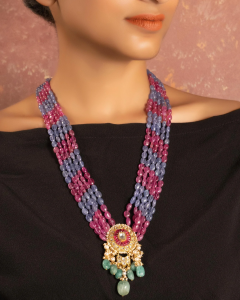
Known as Pukhraj in India, yellow sapphires are symbols of prosperity, joy, and divine blessings. Their golden hue pairs exquisitely with traditional Indian gold jewellery and kundan work.
Star sapphires are nature’s miracles - they exhibit a six-pointed star on their surface, formed by light reflecting off needle-like inclusions. They are rare and mystical, often associated with guidance and destiny.

A sapphire isn’t just a gemstone - it’s a mirror of calm strength, grace, and self-awareness. Whether you choose the deep blue of Kashmir or the sunset glow of Padparadscha, every sapphire in Tyaani’s collection carries a story - of timeless craftsmanship and soulful beauty. As you wear it, you don’t just adorn yourself - you embody wisdom, elegance, and the serenity that comes from knowing your worth.
A sapphire is a variety of the mineral corundum, best known for its rich blue color but available in many hues. It symbolizes wisdom, loyalty, and clarity.
Ancient cultures believed sapphires enhanced mental clarity and truth. In Indian astrology, Neelam (blue sapphire) is linked to Saturn, representing discipline and insight.
No. While blue is the most famous, sapphires occur in pink, yellow, white, green, purple, and even orange hues - known as “fancy sapphires.”
The rare “cornflower blue” of Kashmir sapphires is considered the most valuable and prestigious color worldwide.
Yes, especially those from Kashmir or with unique colors like Padparadscha. Their rarity makes them highly collectible.
Both are types of corundum. The red variety is called ruby, while all other colors are sapphires.
Kashmir (India), Sri Lanka (Ceylon), Myanmar (Burma), and Madagascar are the most celebrated sources.
Kashmir, Ceylon, Burmese, Madagascar, Padparadscha, Pink, Yellow, and Star sapphires are the major varieties.
Yes, pink sapphires are naturally formed with traces of chromium - the same element that gives rubies their color.
Yes. Black sapphires are opaque corundum stones, while white sapphires are colorless versions - often used as diamond alternatives.
Untreated Kashmir sapphires with deep cornflower blue hues are the rarest and most valuable in the world.
Natural sapphires are durable and do not fade easily. However, prolonged exposure to harsh sunlight or chemicals may dull their shine.
Clean gently using mild soap and water with a soft brush. Avoid ultrasonic cleaners for heavily included stones, and store separately to prevent scratches.
Sapphires pair beautifully with diamonds, emeralds, and uncut polki stones - creating a royal contrast that’s signature to Tyaani’s design aesthetic.