


Chat for Best Price
Unlock exclusive offers & much more
In India, buying diamonds is rarely a spontaneous decision. It’s layered with thought, emotion, and often a quiet question that lingers before the purchase: Is this the right time? Months carry meaning here. Some feel festive and full of promise, others reflective and inward. When you’re investing in diamond jewellery-something meant to last, to be worn and remembered-the month you choose can feel almost as important as the piece itself. At Tyaani, this question is approached with balance: honouring tradition while embracing how modern Indian women actually live, dress, and celebrate today.
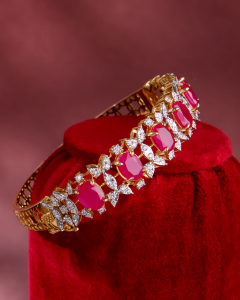
The Indian relationship with jewellery is deeply symbolic. Jewellery isn’t just adornment; it’s a marker of prosperity, continuity, and emotional security. Over generations, certain months became associated with growth, abundance, and new beginnings-often aligned with harvest cycles, festivals, and wedding seasons. Buying jewellery during these times offered reassurance, a sense of doing things “right.” Diamonds, though more modern in India’s jewellery story, have naturally stepped into this cultural rhythm. Even today, many buyers find comfort in aligning purchases with months that feel auspicious, not because they expect magic, but because it adds meaning to the moment.
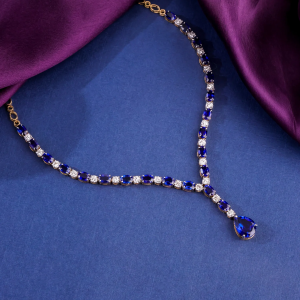
Traditionally, months that include festivals like Akshaya Tritiya and Diwali are considered especially favourable for buying jewellery. Akshaya Tritiya is associated with abundance and growth, making it one of the most popular times to invest in precious jewellery, including diamonds. The festive months leading into Diwali are also widely chosen, as the season symbolises prosperity, renewal, and celebration. Wedding season months, often spanning late autumn to early spring, carry their own significance-diamonds bought during this time are frequently tied to milestones, commitments, and shared futures. For many modern buyers, these months don’t feel obligatory, but emotionally reassuring.
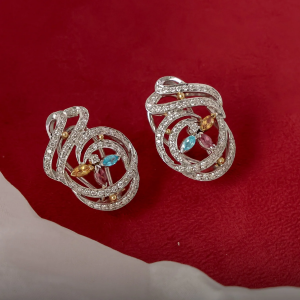
From a purely financial standpoint, there is no single “best month” to buy diamonds. Diamond pricing is influenced by global supply chains, quality, certification, and craftsmanship-not by the calendar. A diamond purchased in April holds the same intrinsic value as one purchased in October, provided the quality is the same. What can vary is availability and collections, especially around festive seasons when brands introduce new designs. At Tyaani, the focus remains constant throughout the year: ethically sourced diamonds, refined craftsmanship, and designs meant to be worn across seasons-so value is never tied to timing alone.
In 2026, Indian buyers are increasingly redefining what “auspicious” means. While festivals still hold cultural importance, personal milestones are becoming equally powerful reasons to buy diamond jewellery. A promotion, a birthday, an anniversary, a personal achievement-these moments often feel more intimate and relevant than any fixed date on the calendar. Diamonds bought to mark these milestones carry a deeper personal resonance. They’re styled not just for festive occasions, but woven into everyday life-paired with sarees during celebrations, layered with contemporary outfits for work or travel. This shift reflects a broader truth: meaning today is personal.
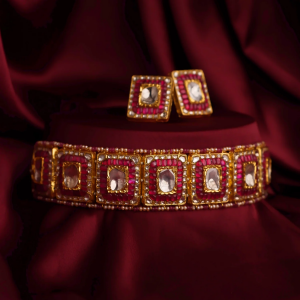
Choosing the right month begins with intention rather than rules. Ask yourself why you’re buying the jewellery. Is it to mark a celebration, begin a new chapter, or invest in something timeless for yourself? If a festive month brings joy and emotional satisfaction, it’s the right choice. If a quieter month aligns with a personal milestone or sense of readiness, that can be just as auspicious. What matters most is choosing jewellery that fits your lifestyle-pieces that feel comfortable, versatile, and expressive across traditional and modern styling. Tyaani’s diamond jewellery is designed with this philosophy, allowing every piece to feel relevant regardless of when it’s bought.
In India, time and tradition often walk hand in hand-but modern diamond buying is no longer bound by the calendar alone. While certain months continue to offer cultural comfort, the true value of a diamond lies in its craftsmanship, meaning, and how it lives with you over time. At Tyaani, diamonds are created for life as it is lived today-celebrated during festivals, worn on ordinary days, and remembered long after the moment of purchase. The best month, ultimately, is when intention, trust, and personal meaning come together.
Traditionally, months with Akshaya Tritiya and Diwali are considered auspicious, but many buyers now choose personal milestones as their ideal time.
Yes, festive and wedding-season months are culturally associated with jewellery buying, though this is a personal preference.
Yes, Akshaya Tritiya is widely seen as a symbol of abundance and is popular for buying diamond jewellery.
They are often chosen because purchases are tied to milestones and long-term commitments.
Diwali adds emotional significance, but it doesn’t affect the quality or value of the diamond itself.
Astrology can offer emotional reassurance, but it’s not essential for making a good purchase.
No, prices depend on quality, certification, and craftsmanship rather than the month.
Some people avoid it due to tradition, but this is a personal belief rather than a rule.
Promotions may vary by brand and season, but they don’t define the diamond’s true value.
Yes, global factors influence pricing, but not in a predictable month-by-month pattern.
For many modern buyers, yes. Emotional connection often outweighs calendar timing.
First-time buyers benefit more from focusing on quality, design, and trusted brands.
Absolutely. Certification, craftsmanship, and transparency matter far more than timing.
Yes, aligning the purchase with a meaningful occasion often adds more value than choosing a traditionally auspicious month.